Author. Homesteader. Farmer. Conservationist. Father. Researcher. Public Speaker. Free Range Educator.
In no particular order because every day is different and life is highly seasonal, especially in Vermont. The common thread that runs through it all? Caring about what happens next and working with others to do a little something about it.
Why I Traded the Campus Gate for the Farm Gate
After three decades as a college professor, I had to face the reality: I was a free-range educator in an increasingly constrained educational environment. I was done with desks, deans, and disciplines.
Don’t get me wrong. I wouldn’t trade those years spent in higher education for anything (LinkedIn profile). I’d always chosen to work in innovative colleges that pushed at the edges of traditional curricula and pedagogy. I had the joy of designing dozens of new courses (some that didn’t exist anywhere else), building a 23 acre organic college farm, starting the first online graduate program in Sustainable Food Systems in the US, helping students turn their passions into professions, leading international study tours, initiating a national beta site for sustainable college dining, and raising funds for cutting-edge programs and infrastructure. It was a pleasure and a privilege…and increasingly too privileged and confined.
The slow-moving pace of change within academia is increasingly out of sync with the rapidly-changing world around us, and high-quality education is too far out of reach, financially and logistically, for too many people. Colleges and universities still have a critical role to play in our society, but as institutions, they have a lot of catching up to do – at a time when they should actually be out in front of the issues, leading the way.
So I decided it was time to get out the gate and go free range. But where to begin?
Starting at Home
Home is where we live our truest responses to the ecological and socioeconomic quandaries we face. It makes little sense to call for collective action or planetary stewardship if there is no ecological accounting or accountability in our personal lives. So the Free Range Prof is out the gate with an initial suite of courses that focus on sustainable living.
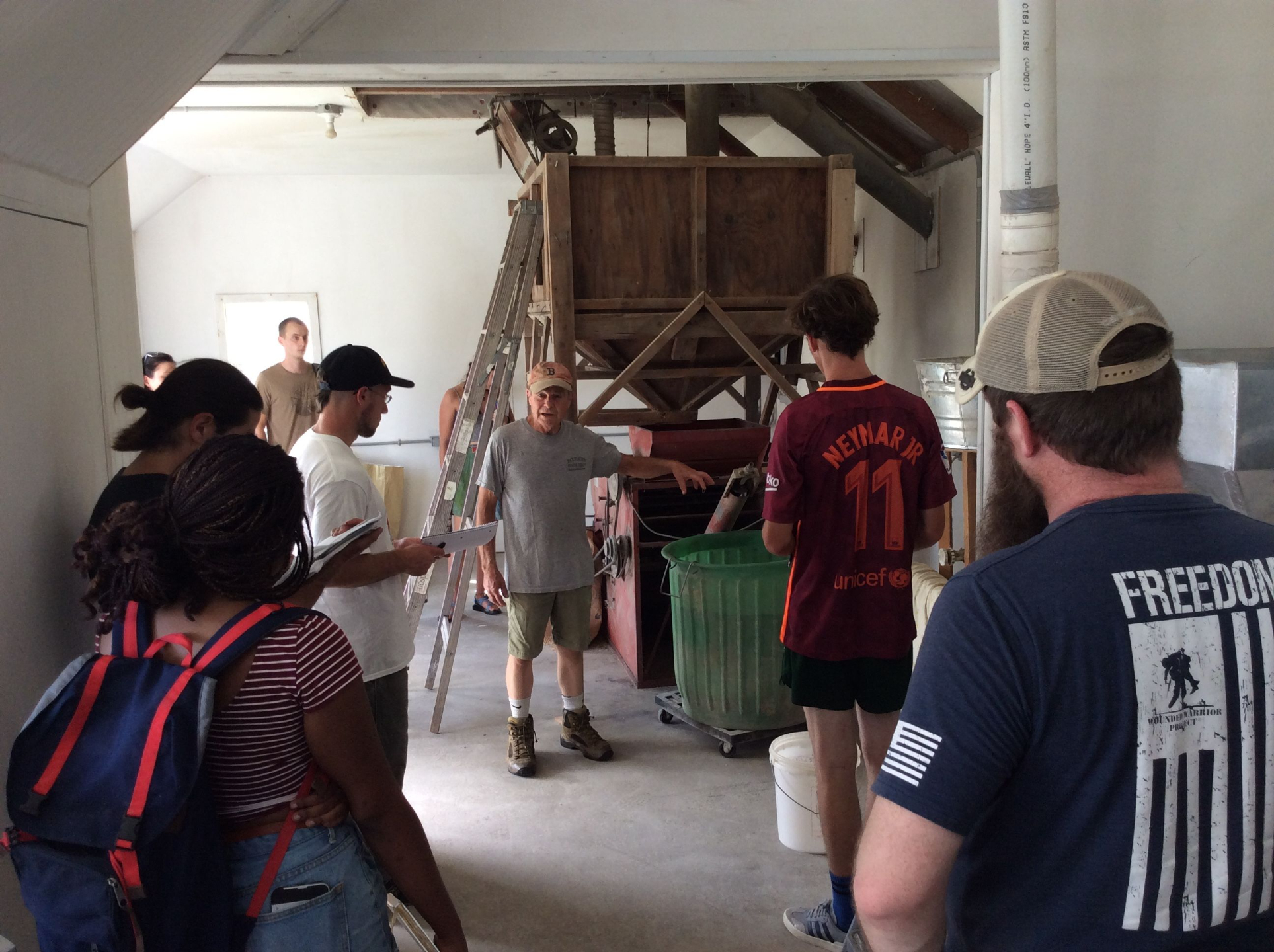
One of the most popular courses I taught in the traditional college setting was “A Homesteader’s Ecology.” Admittedly inspired by my own family’s path to an off-grid, back to the land experiment on UpTunket Farm, the course gave me and my students the excuse to visit an extraordinary diversity of homesteads to uncover the varied “why’s” and “how to’s” of ecological living.
Those field trips unveiled complex questions and demonstrated intensely-lived answers that my former students tell me significantly shaped their own personal and professional journeys for years to come. When we reconnect for a visit, they often suggest that I find a way to teach it again, leaving me to consider how I might reconceptualize such a course in a post-pandemic world.
AirBnB guests who stay in our tiny off-grid cabin frequently hunker down with a copy of my first book, Up Tunket Road: The Education of a Modern Homesteader, savoring the quiet woods on the edge of our remote homestead. Inevitably, many of them are searching for new pathways while getting back to the basics for a weekend or longer, and sometimes they come with questions -- ranging from why to how -- as they consider their own lifestyles and next steps. Notes in the cabin guest book suggest their own searches for more sustainable and balanced lives, and they often return to delve deeper.
One day, a guest asked if I would consider teaching a homesteading course online so that we might dive deeper into his questions. That was the final prod I needed. I decided that it was time to adapt "A Homesteader's Ecology" for a broader audience.
After all, more of us - especially those of us with the privilege of resources and choices - should be asking ourselves the question, How do I live my life? out loud and in the company of others. No single question has ever been more important to the future of the planet.
Free Ranging Background
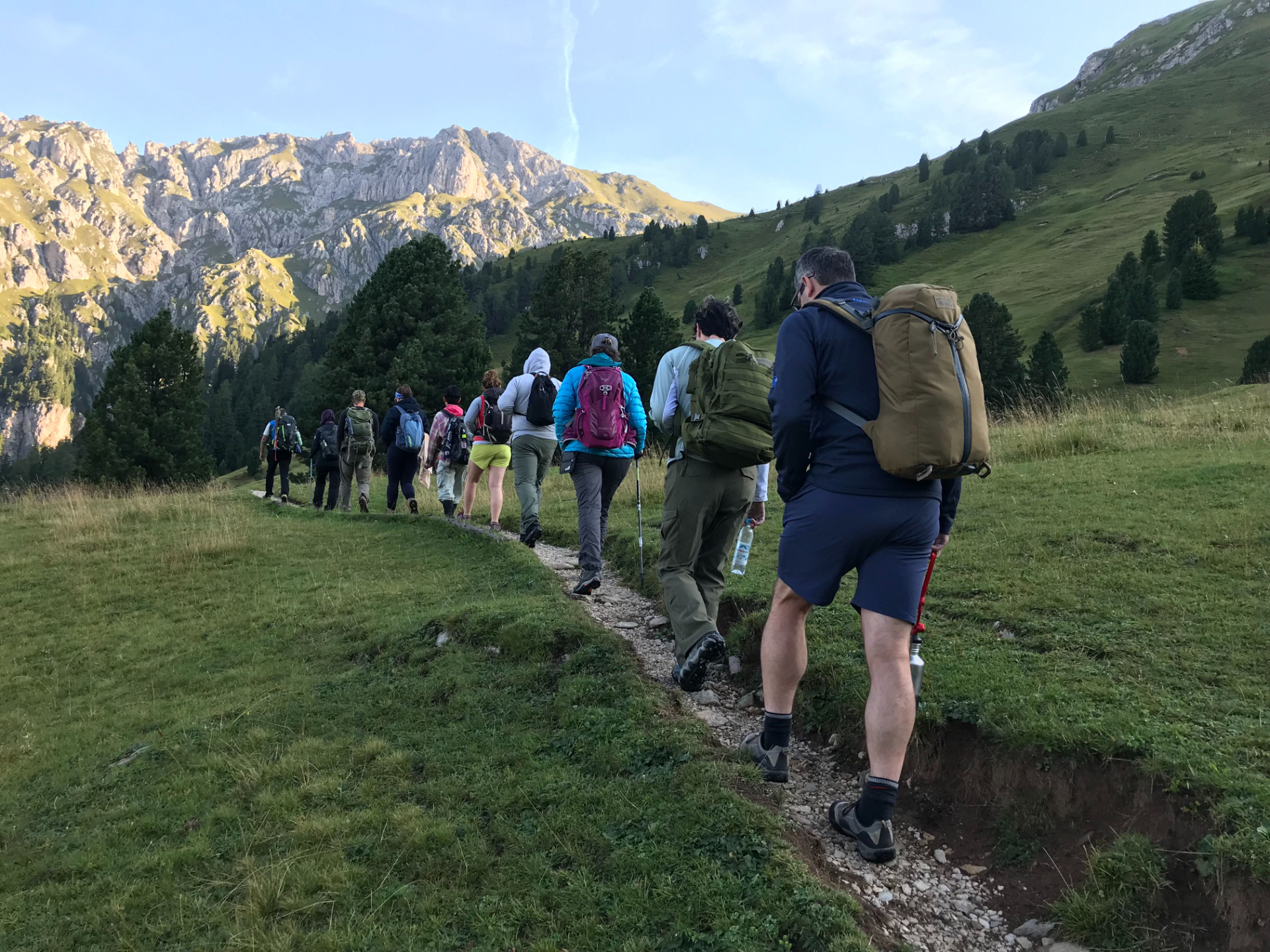
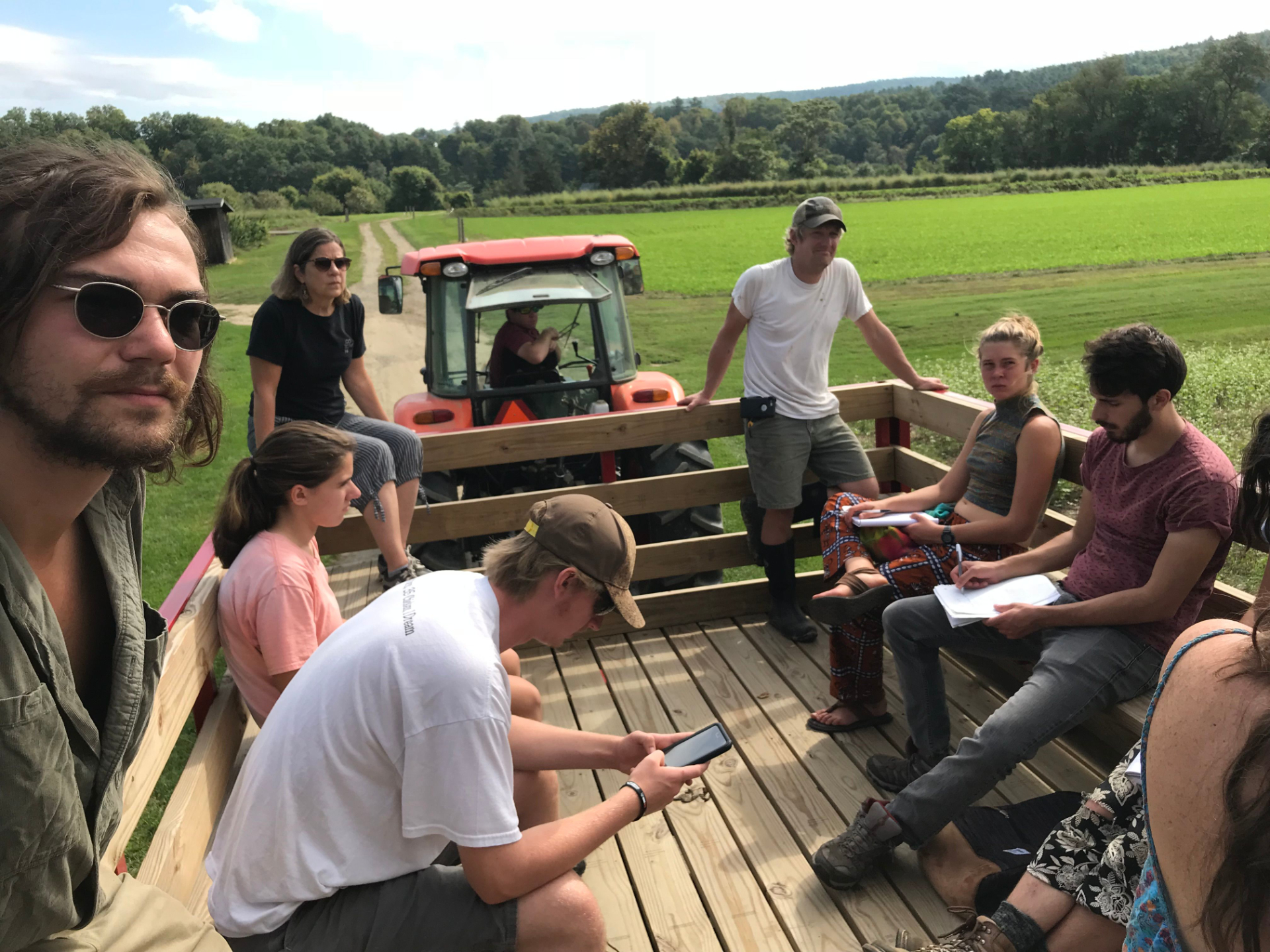
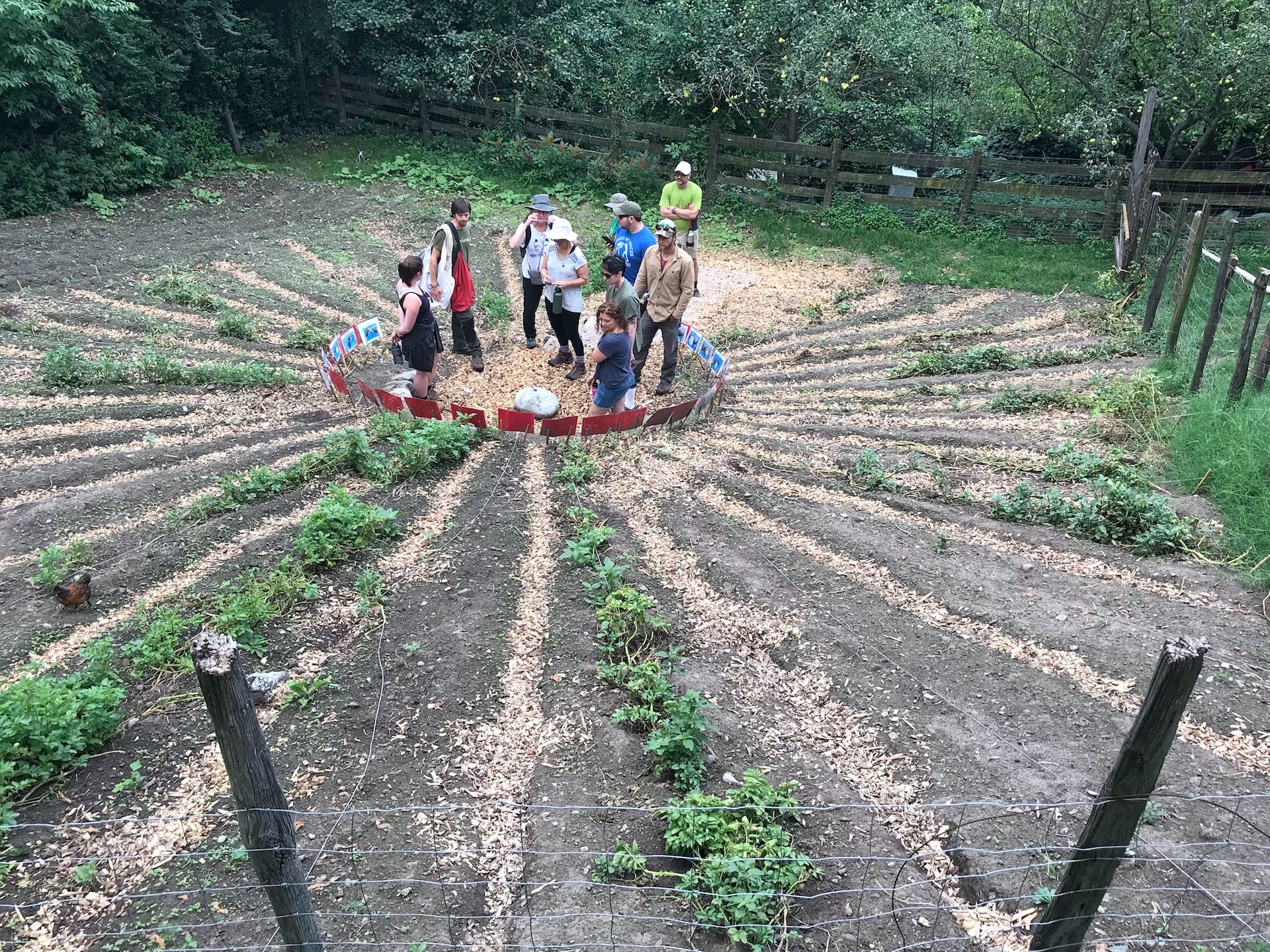
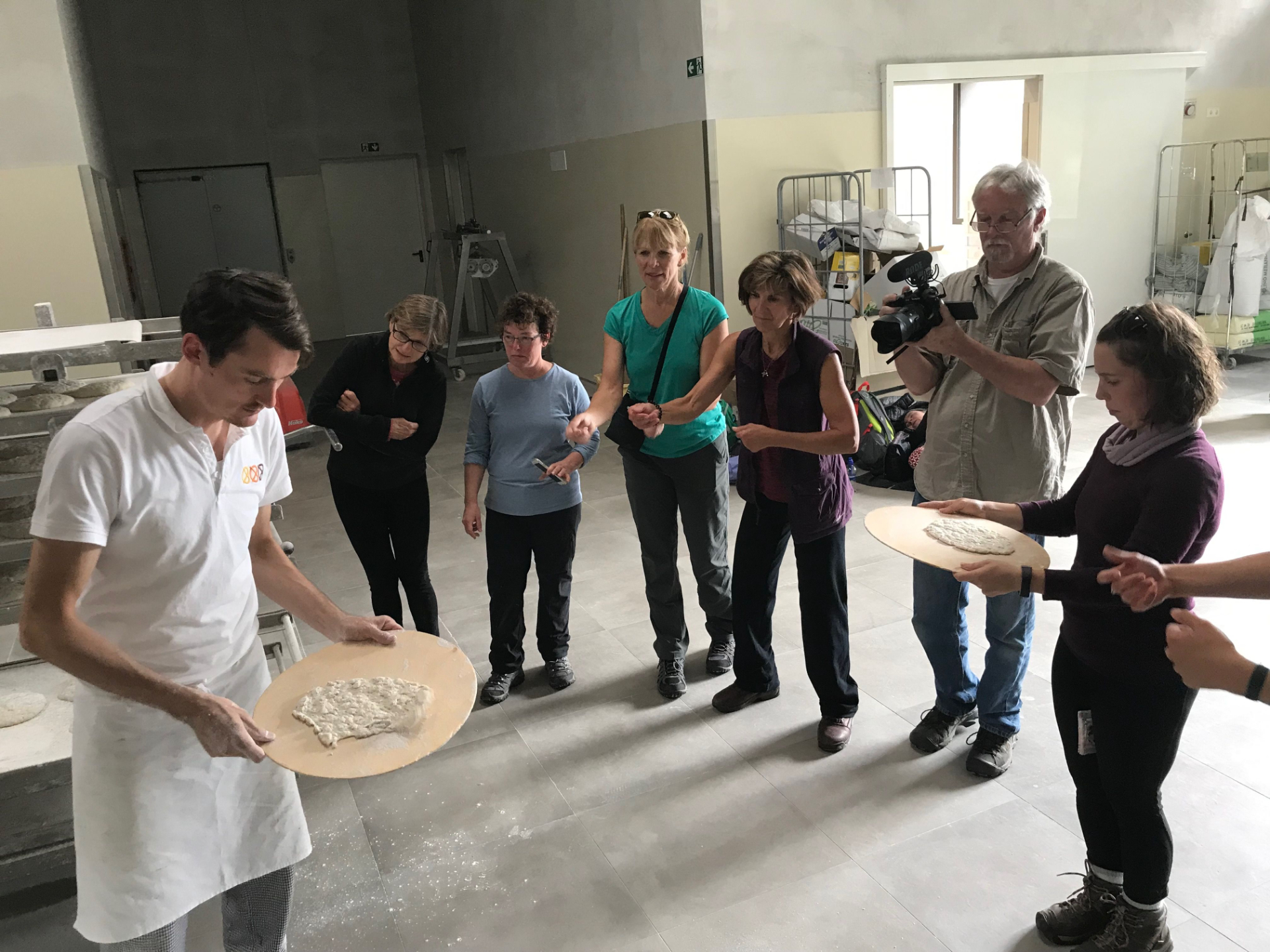
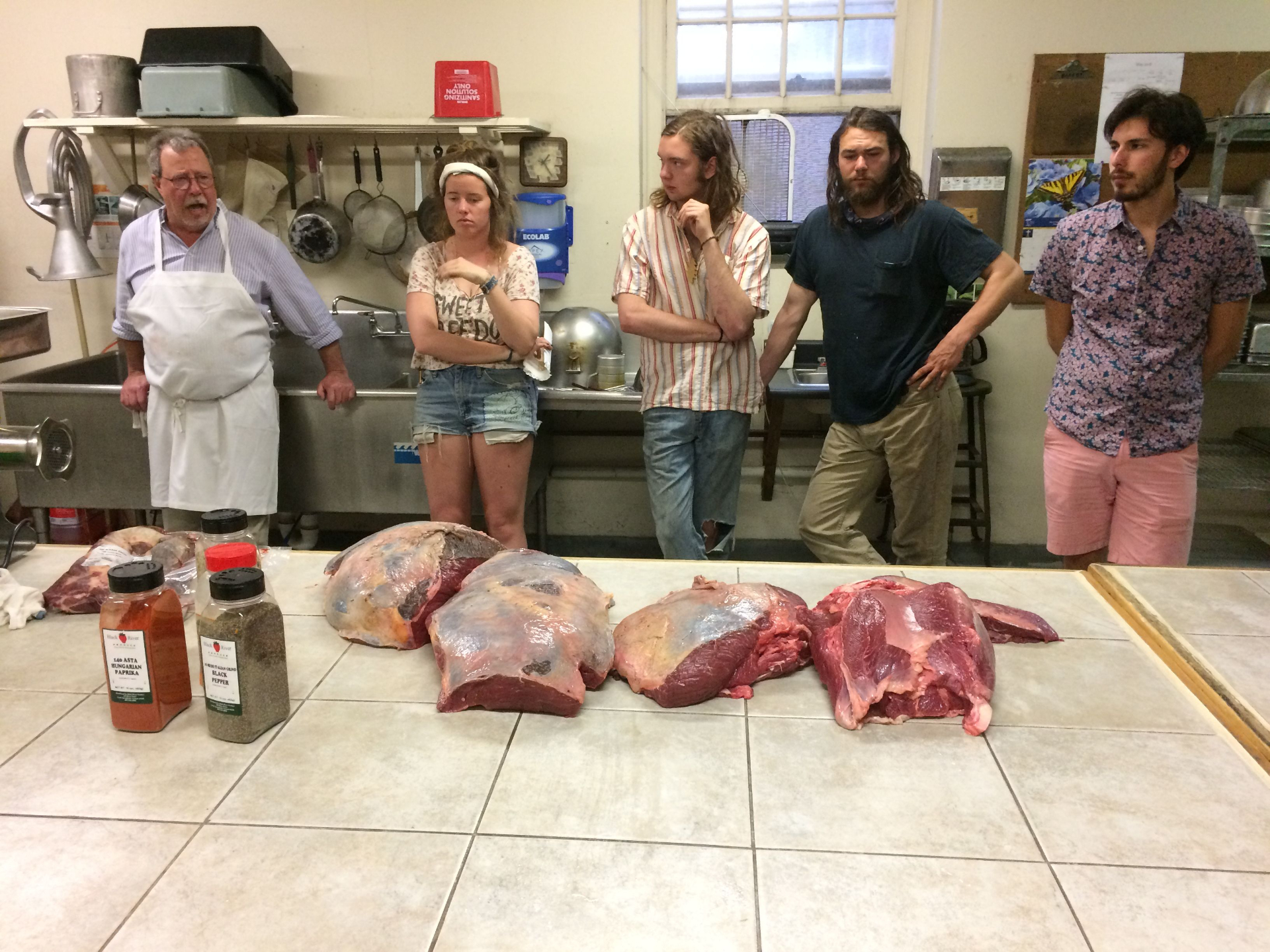
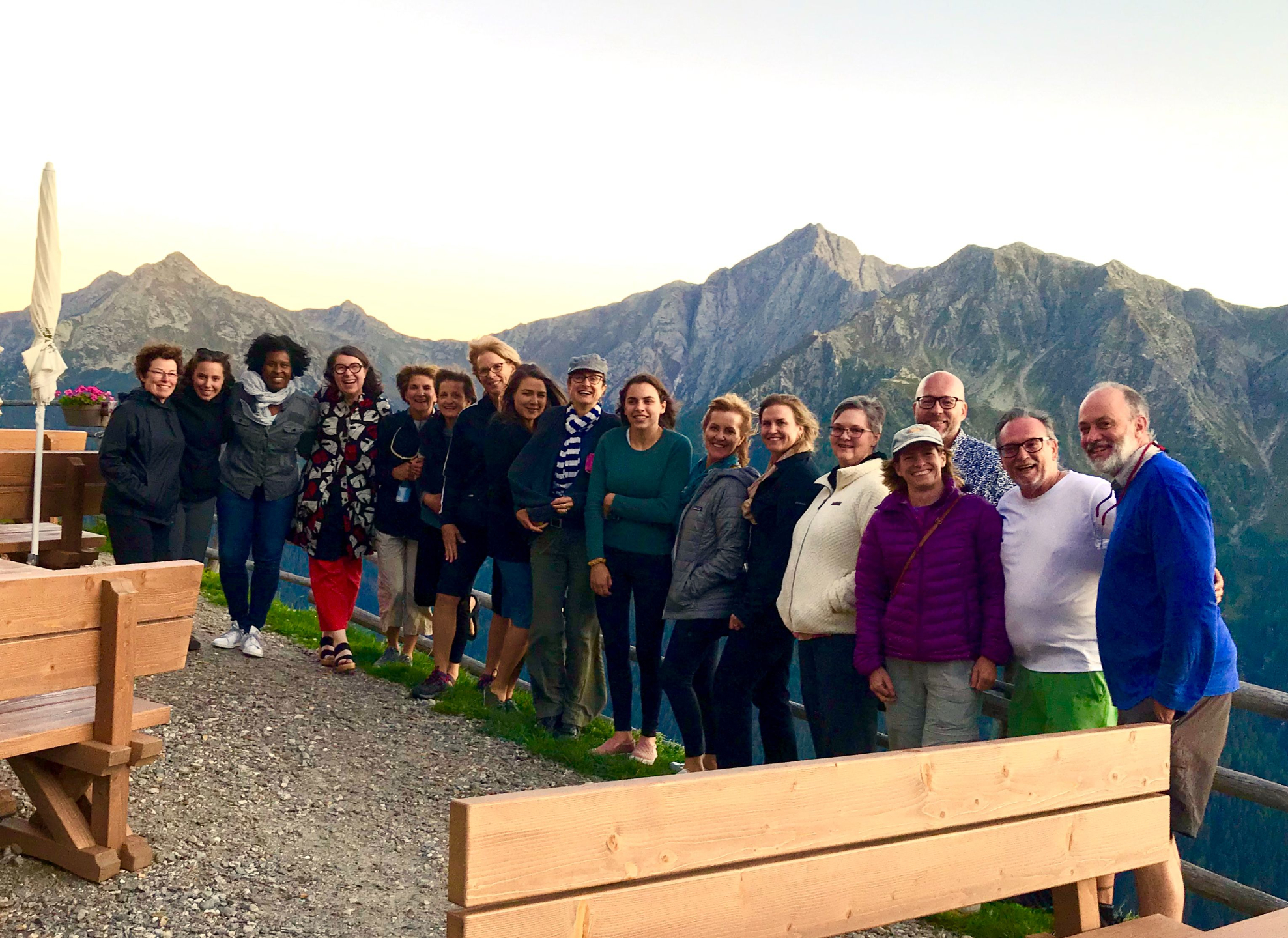
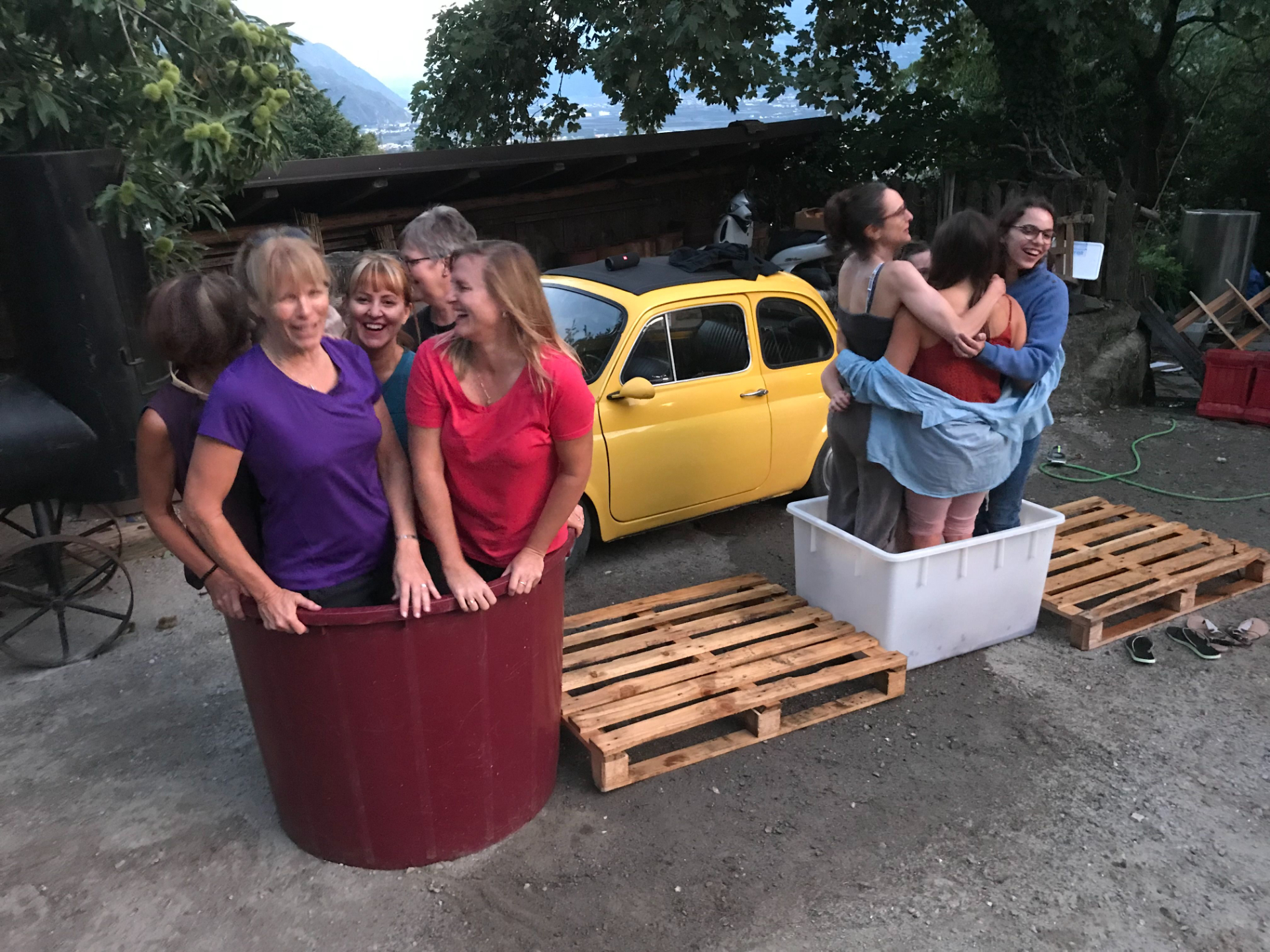
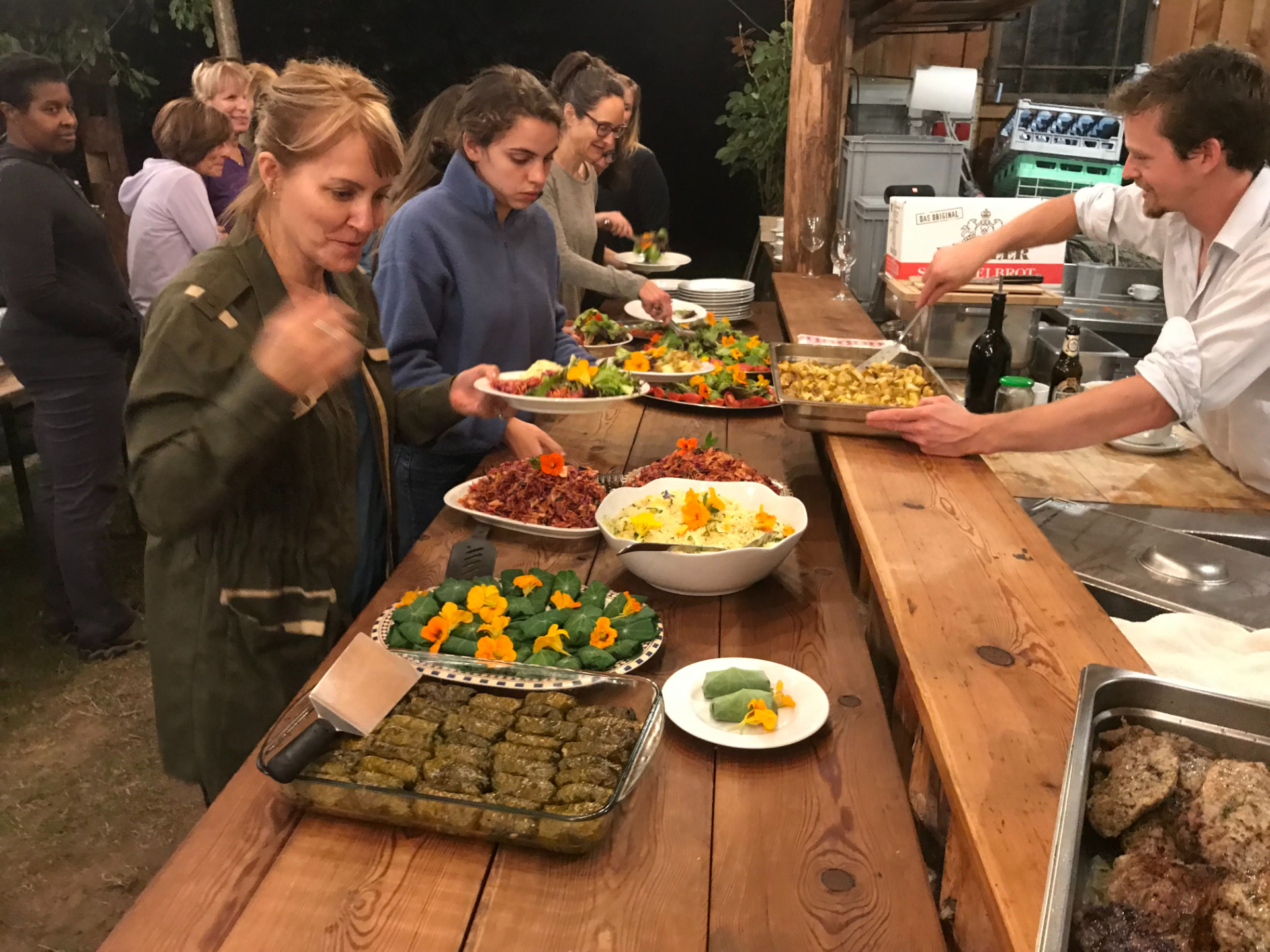
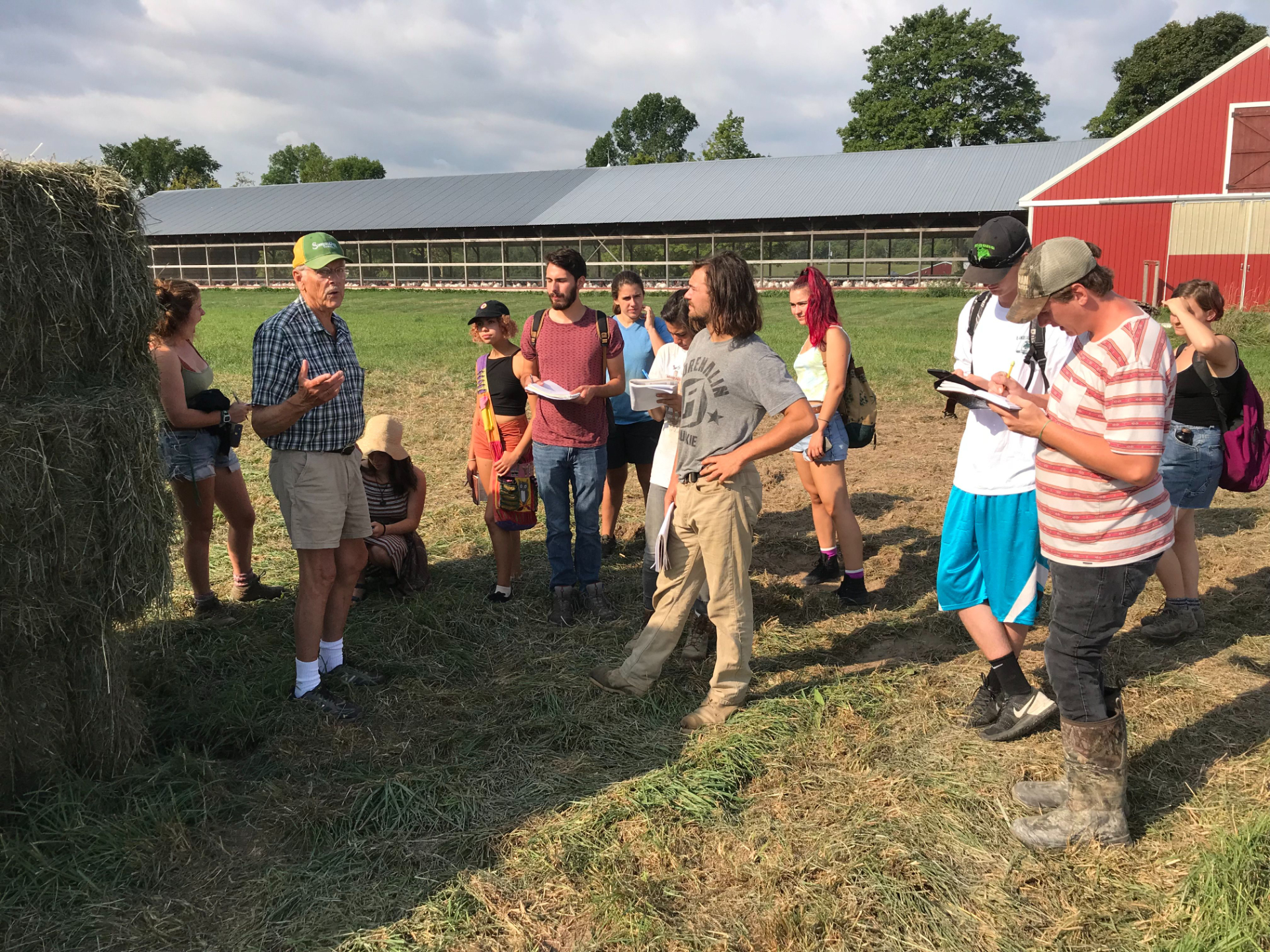
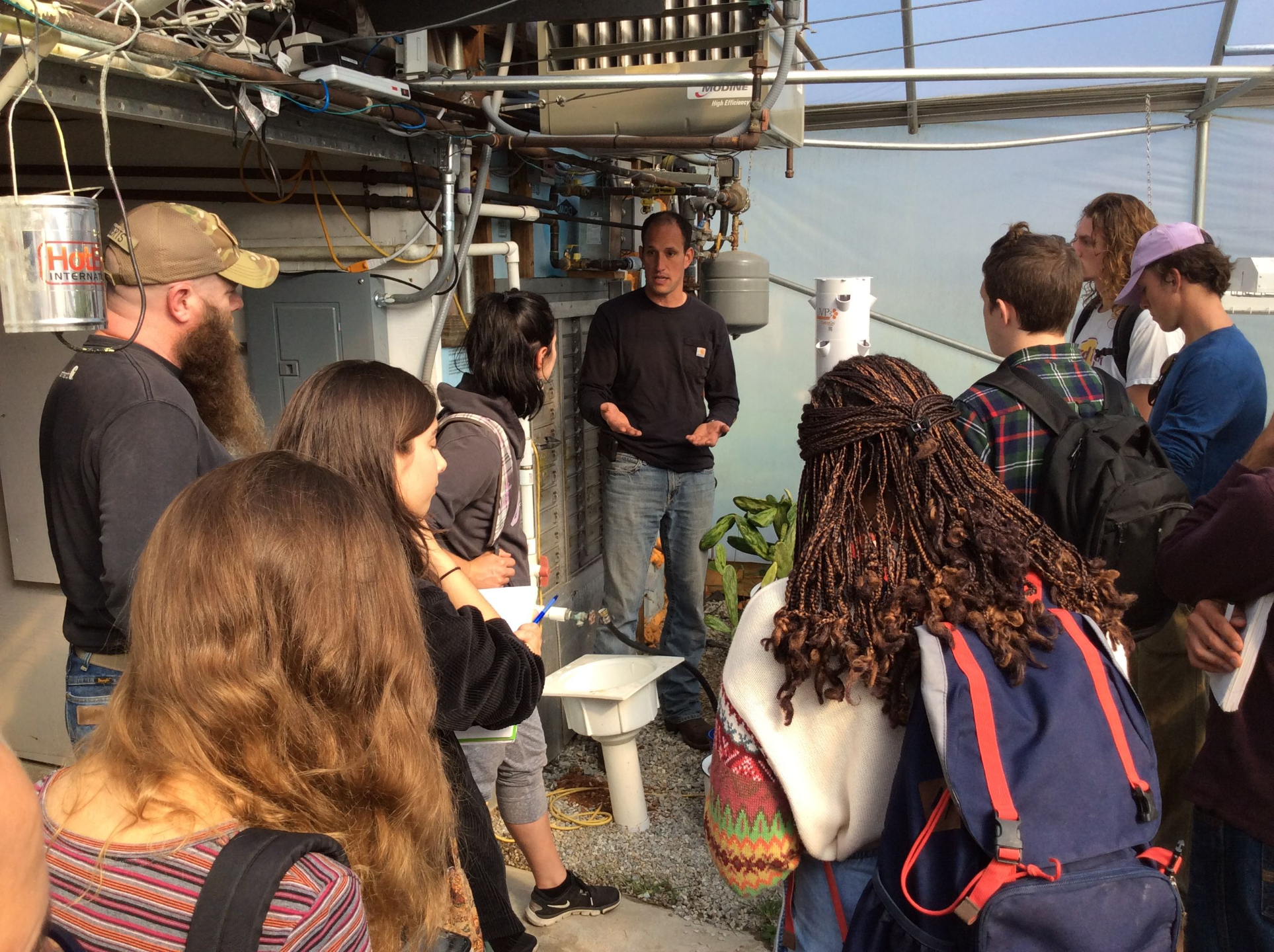
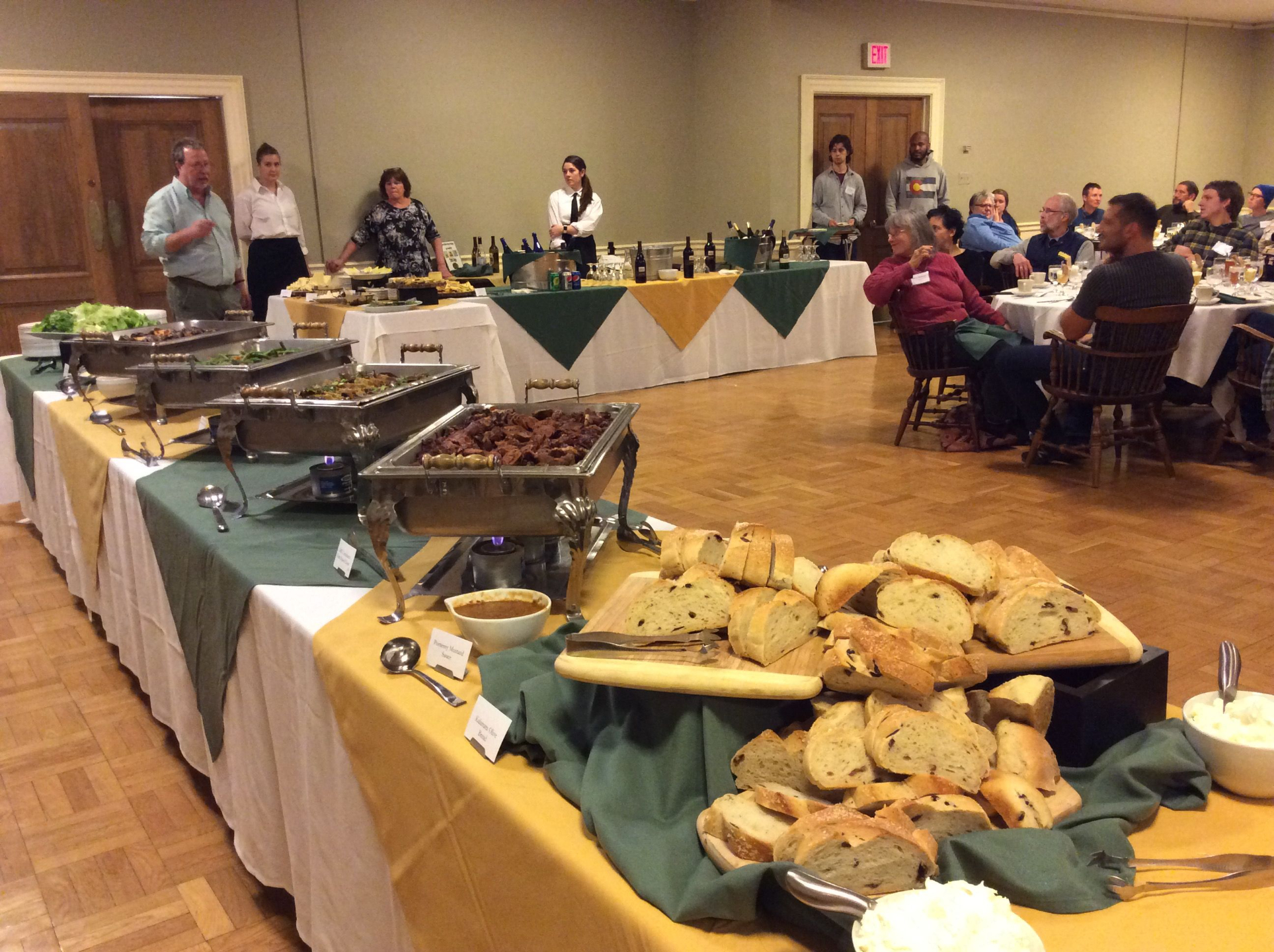
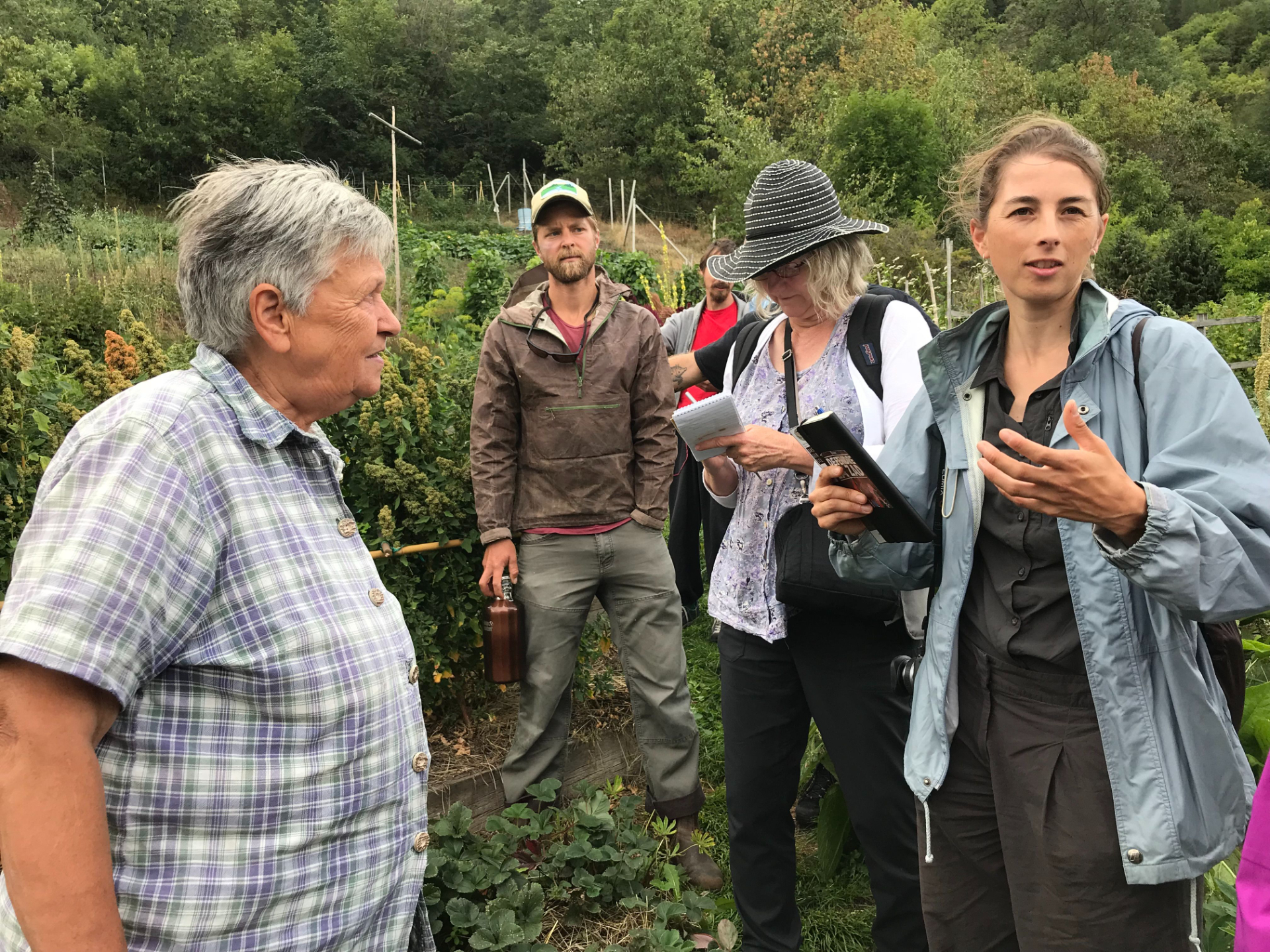
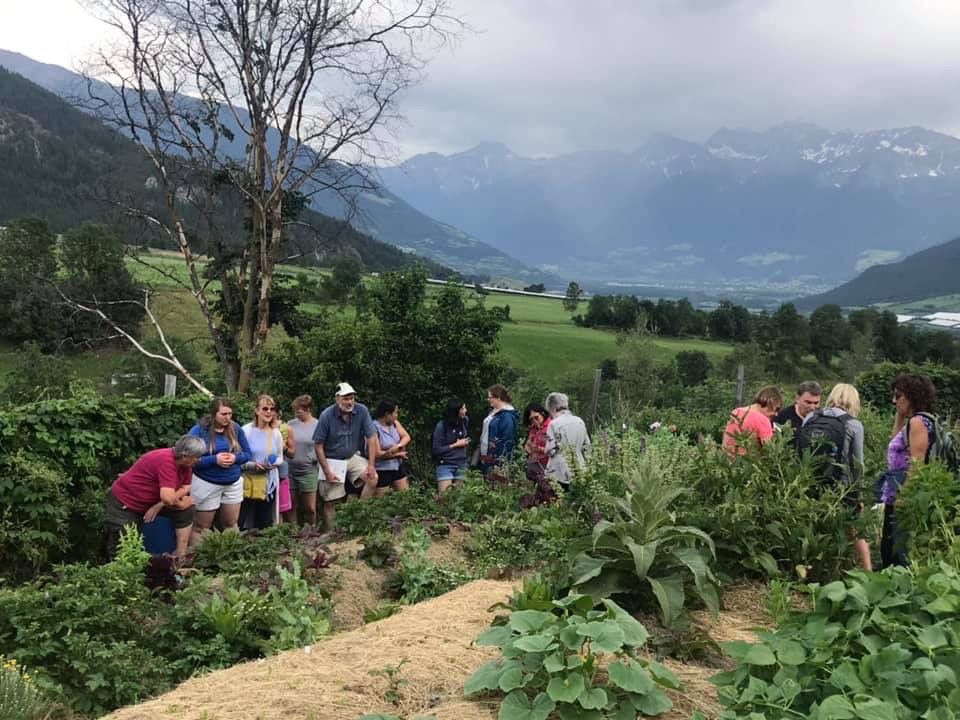
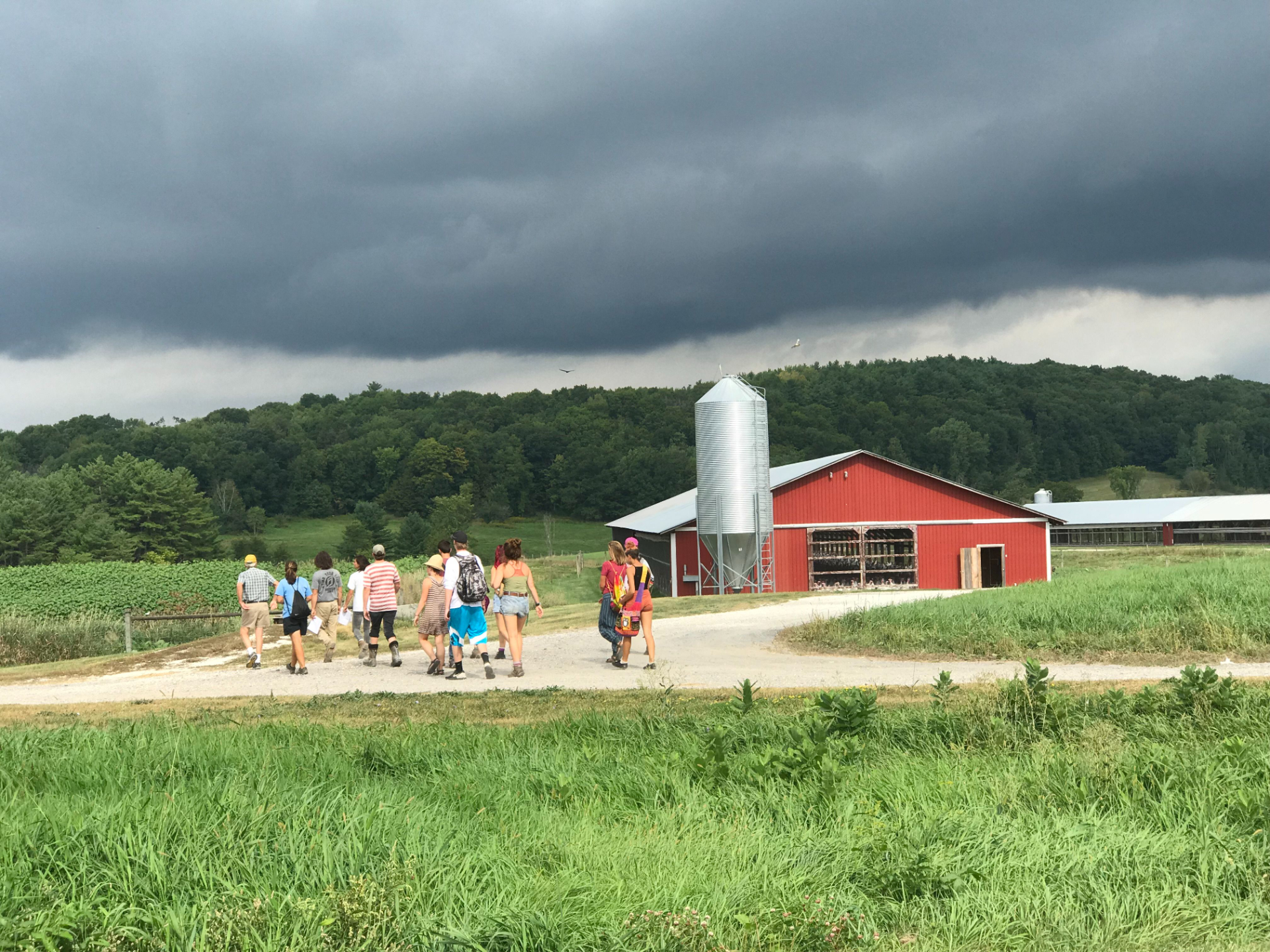
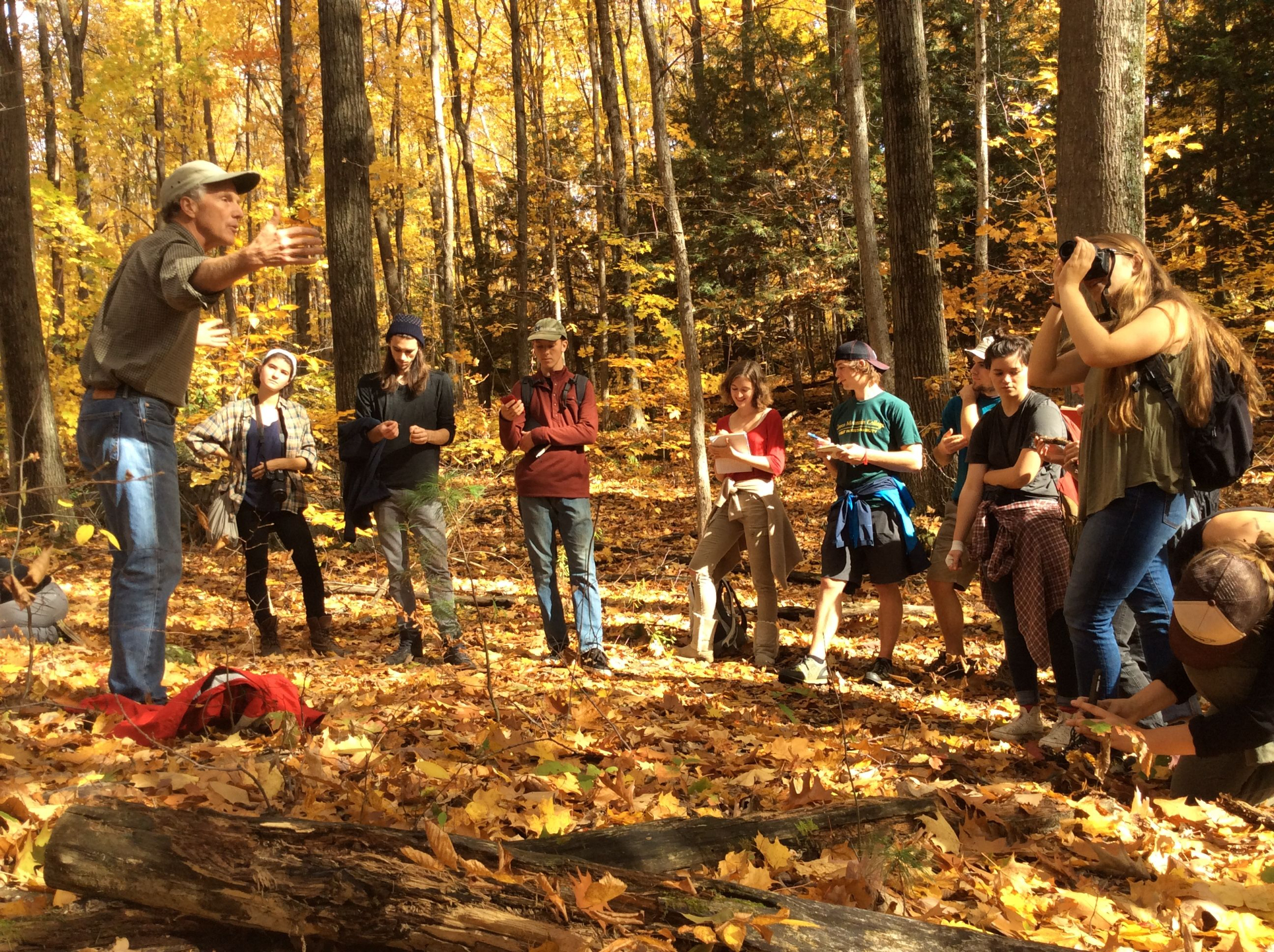
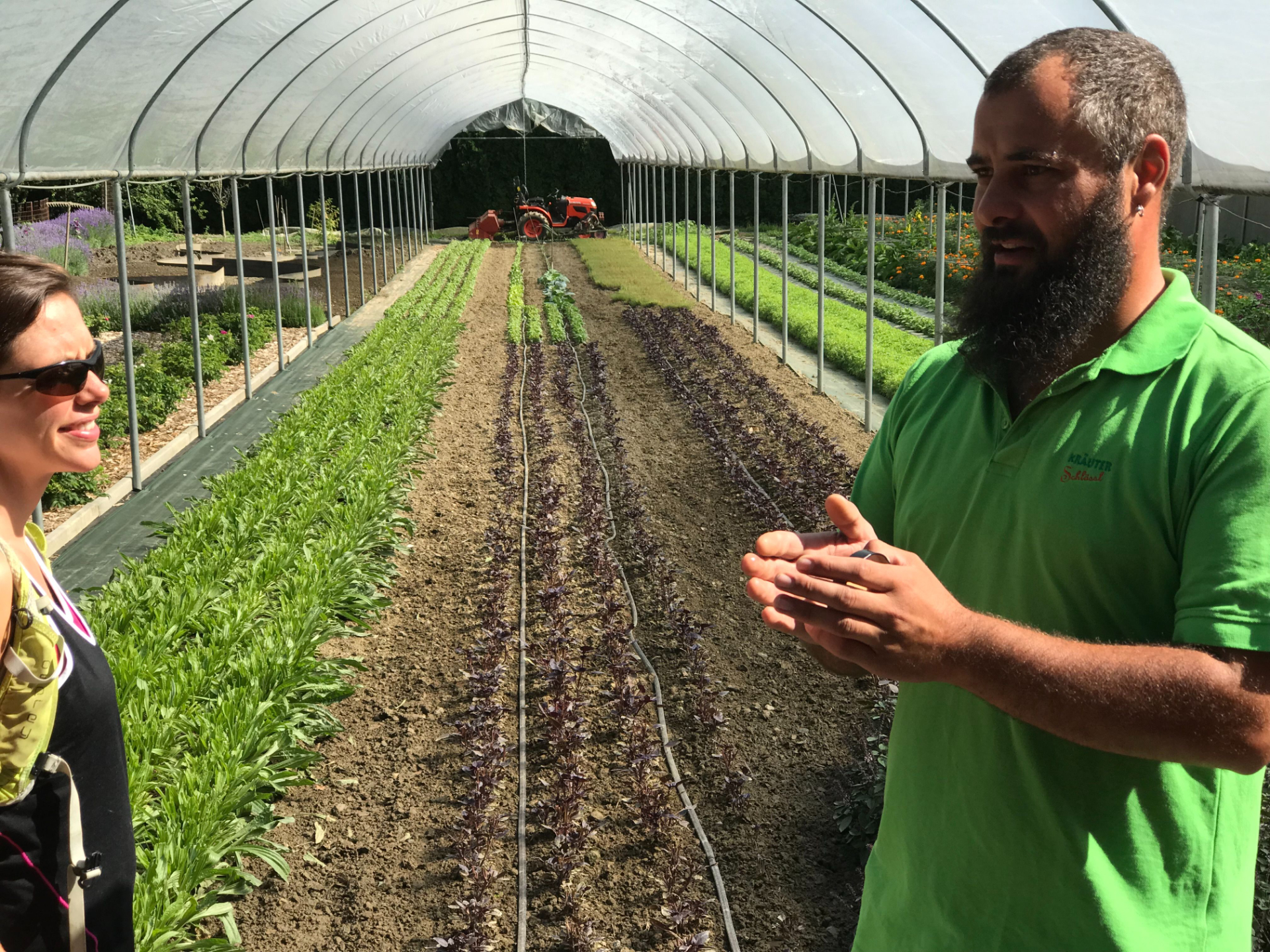
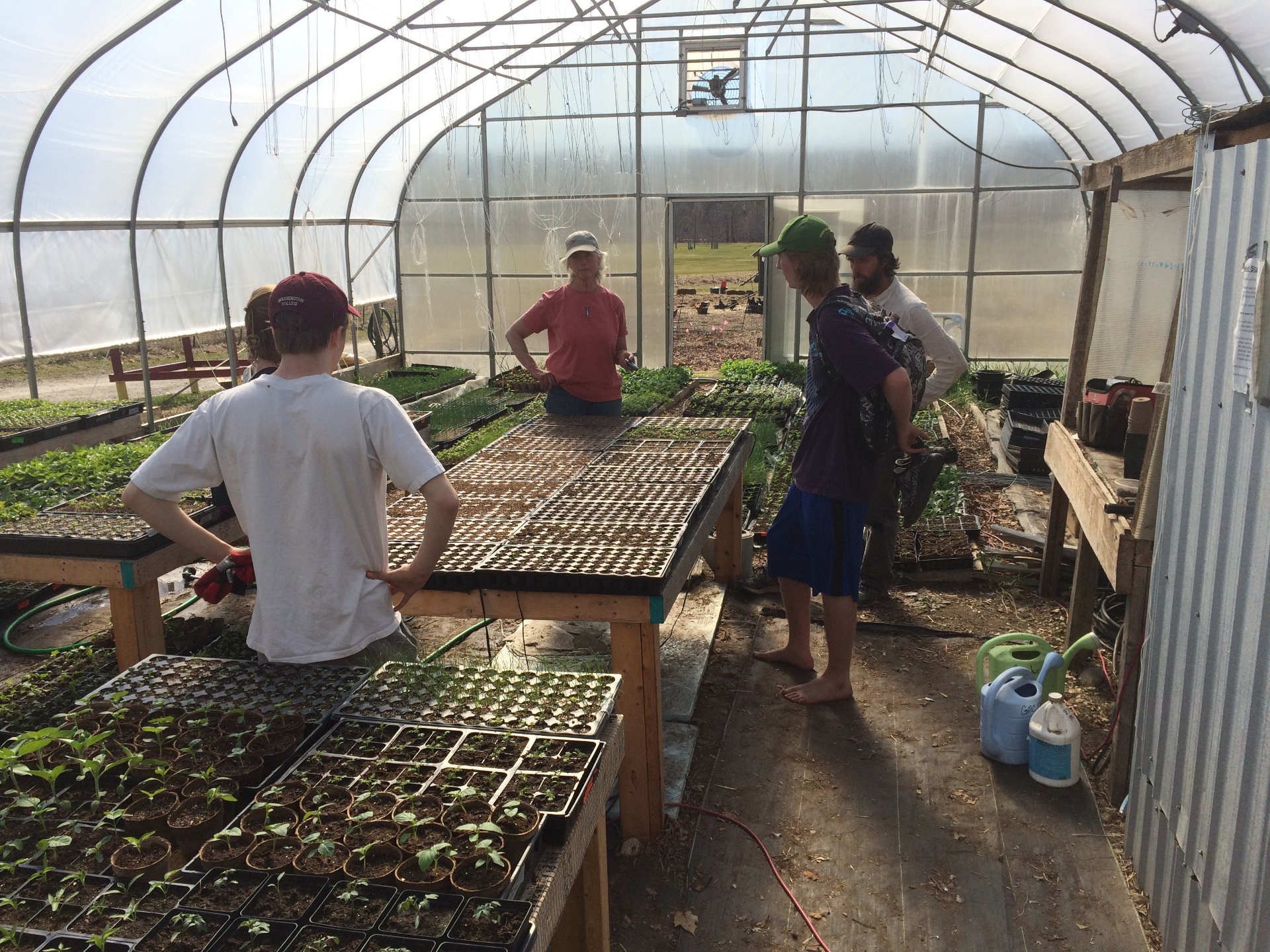
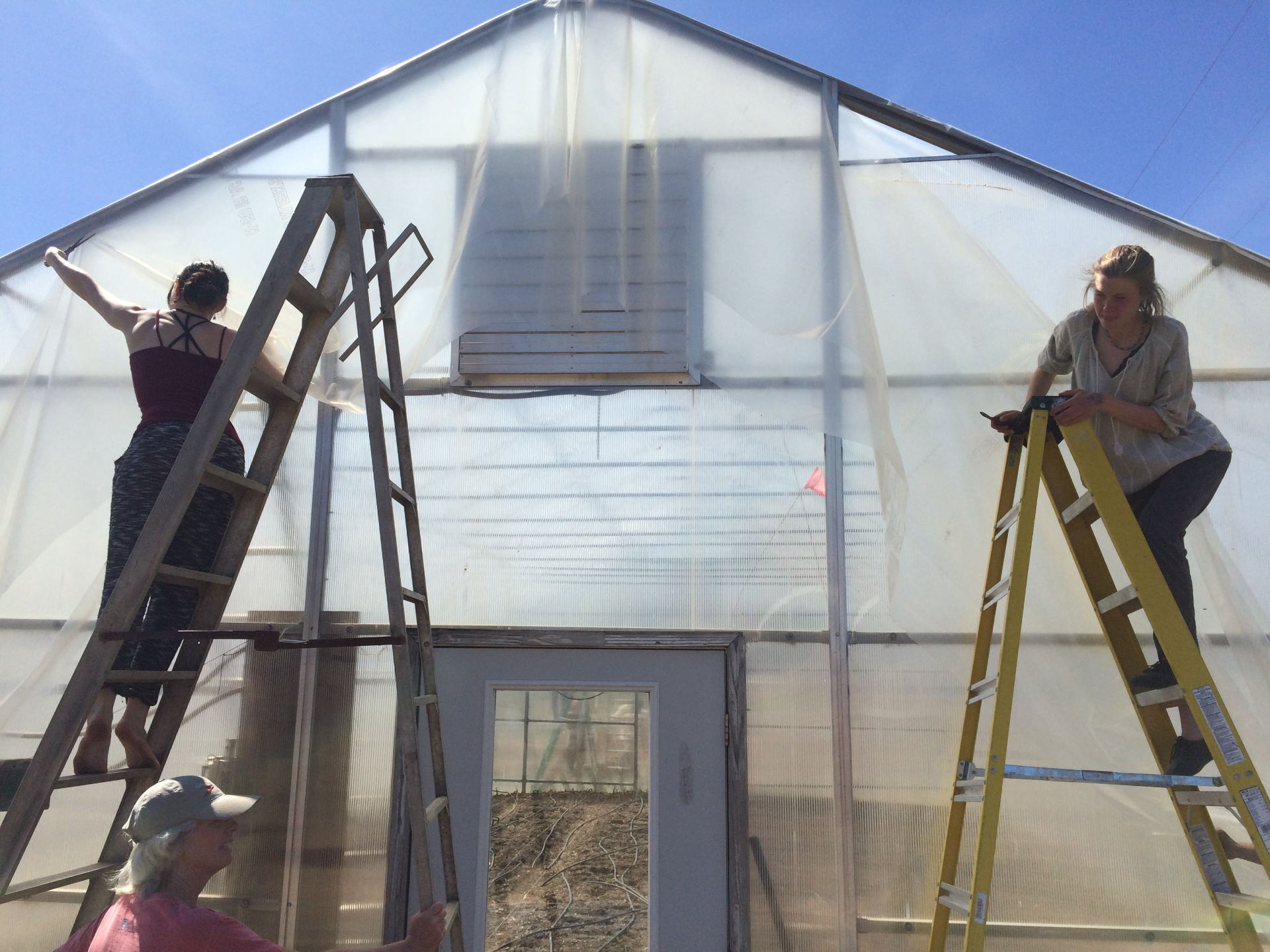
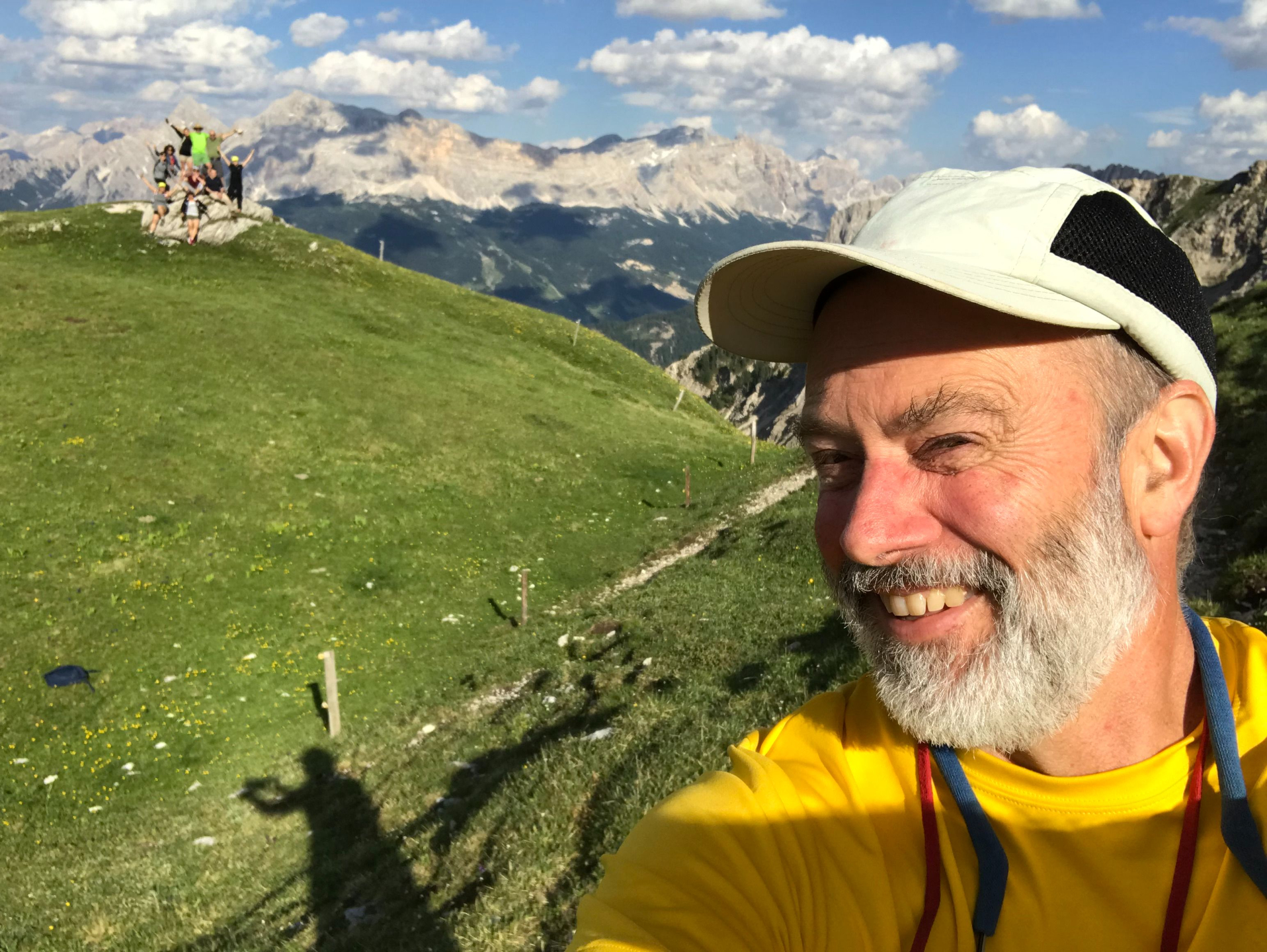
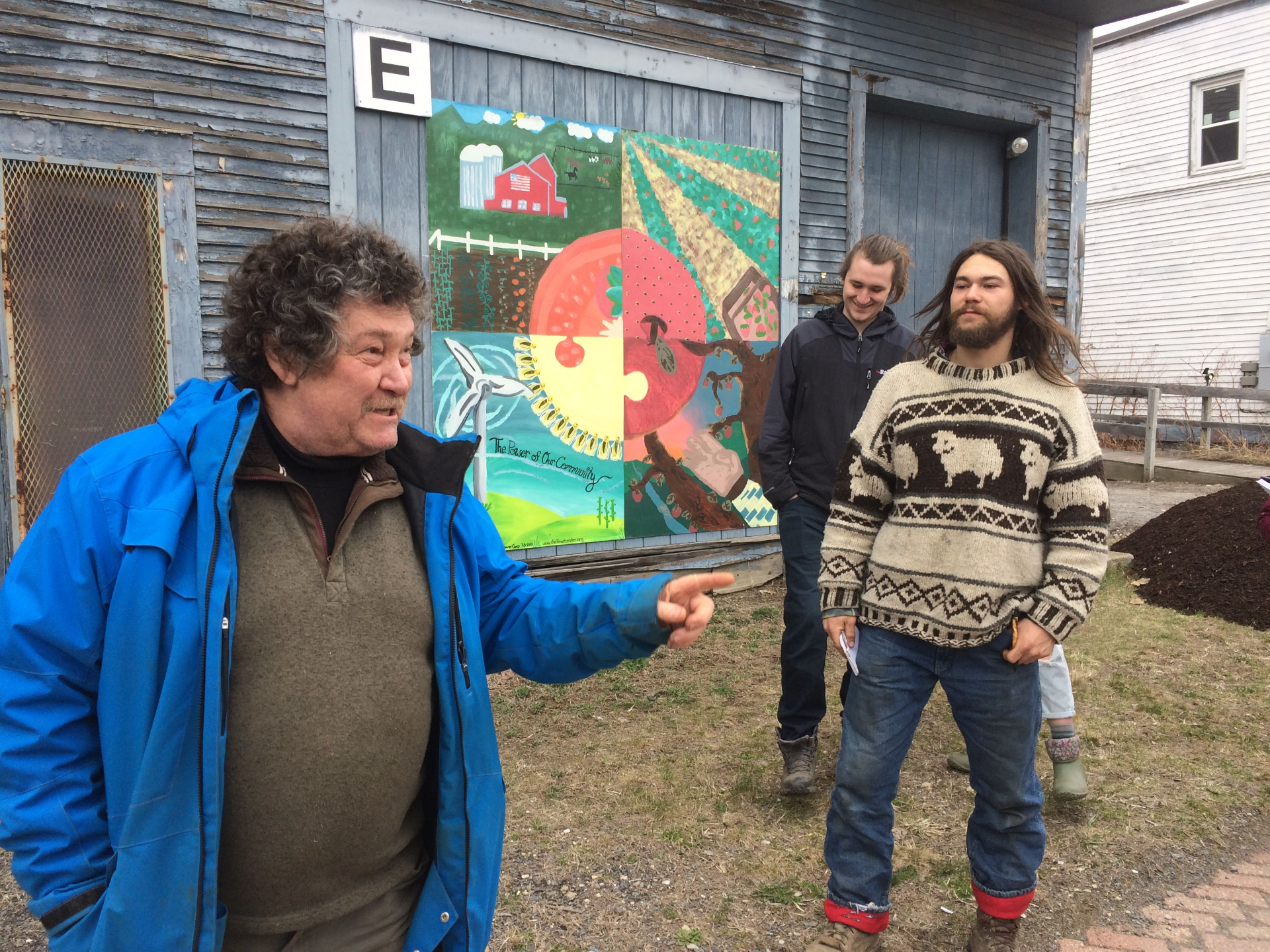
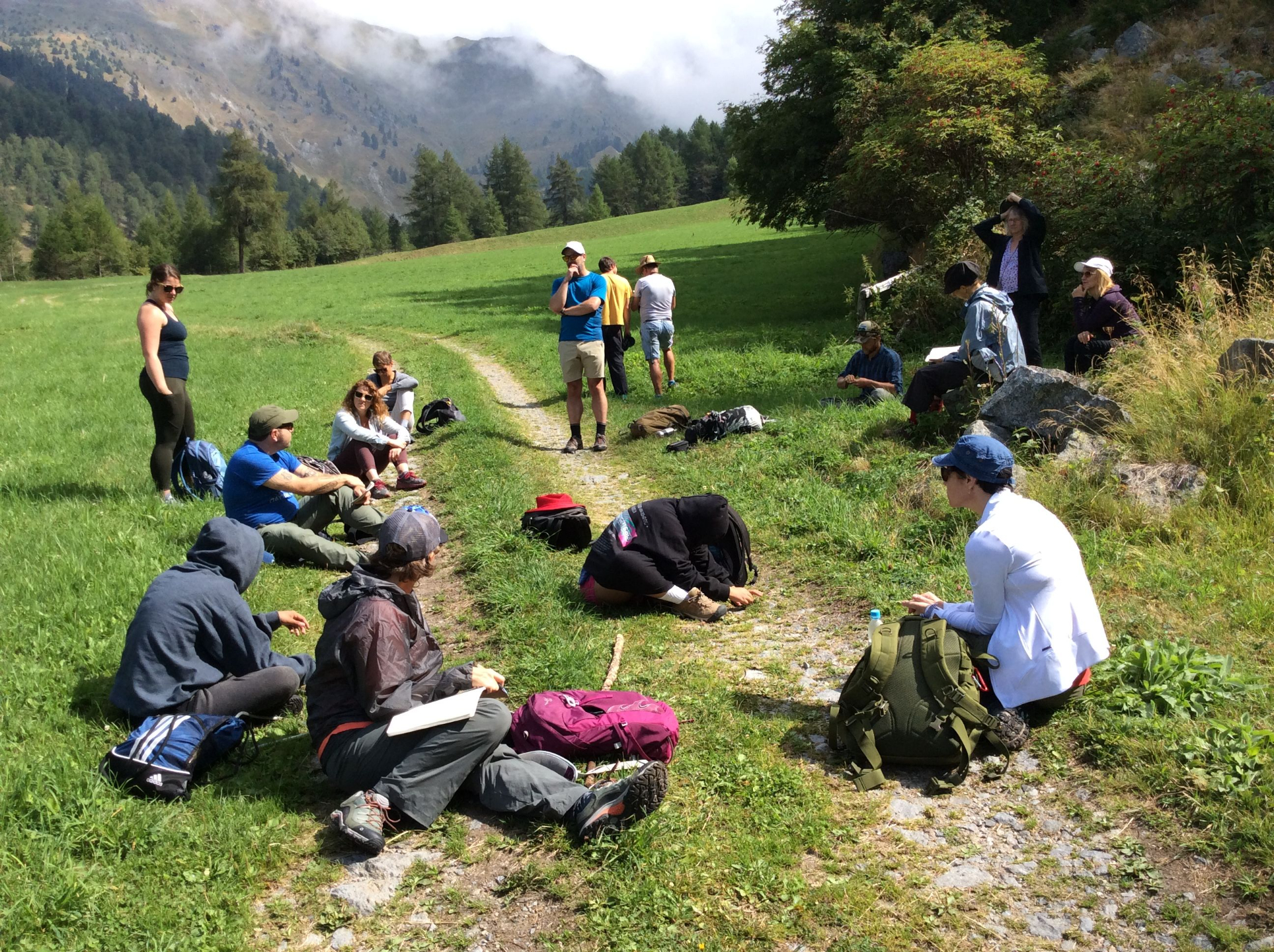
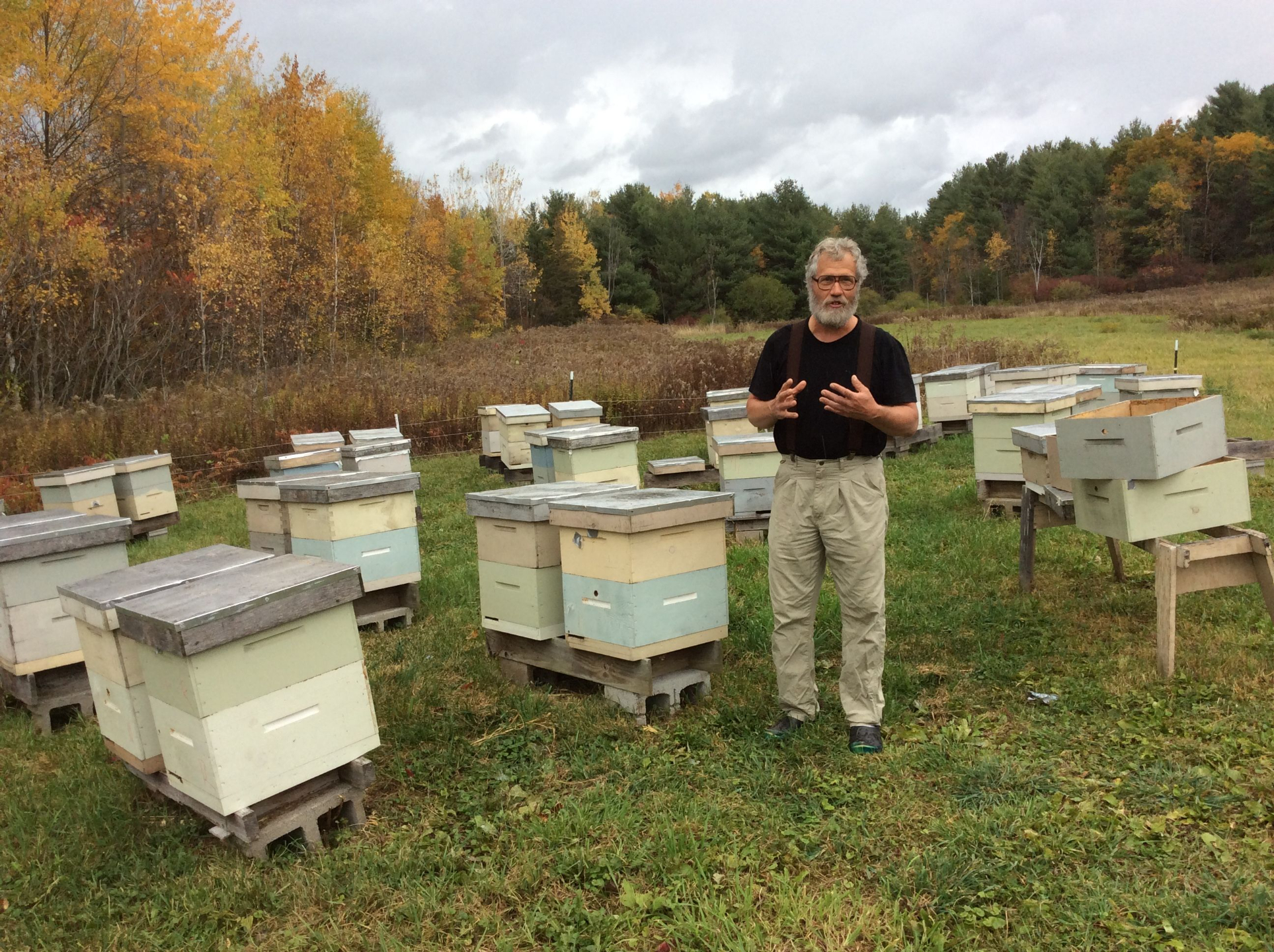
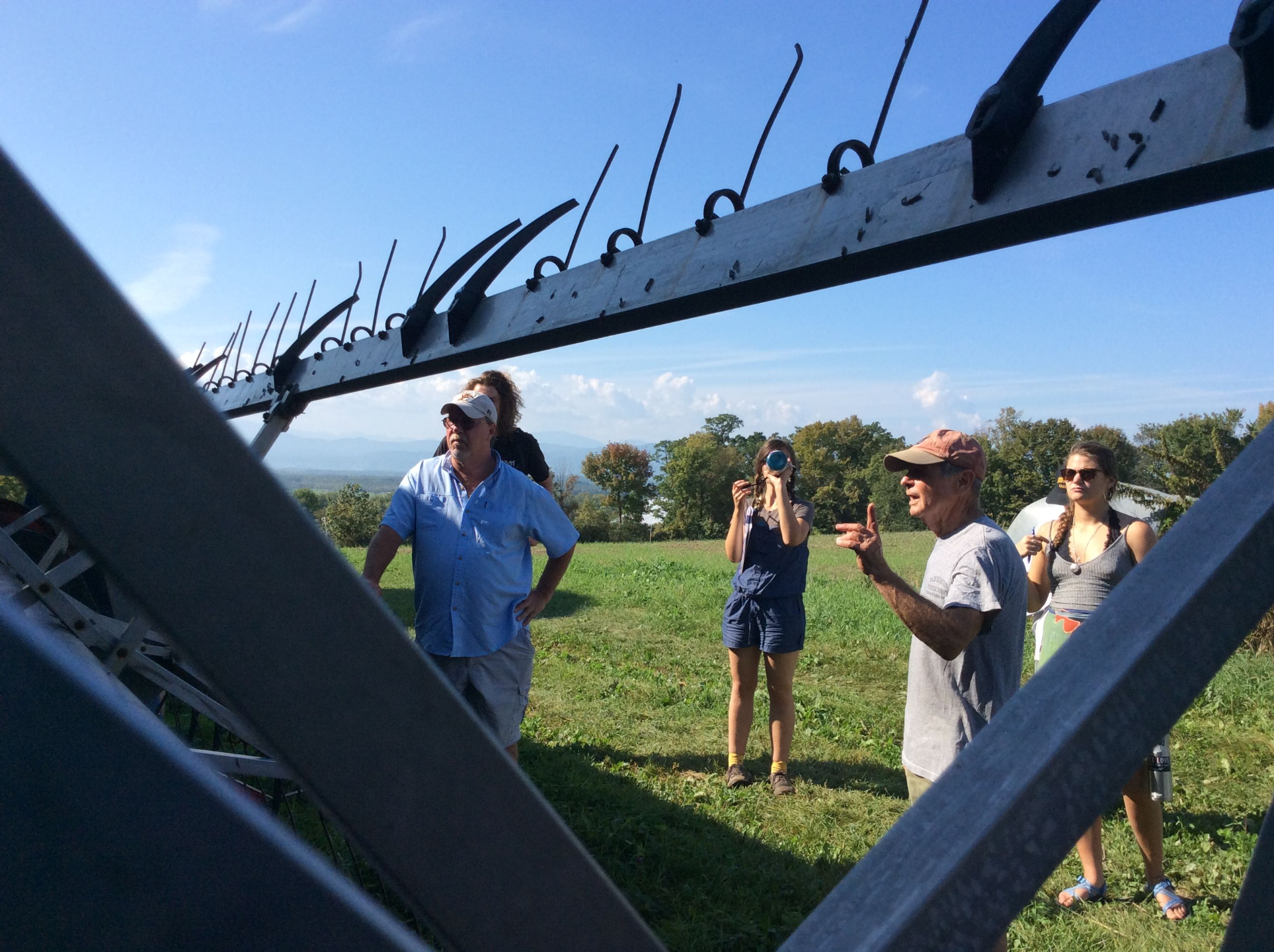
As you'll see in the photo journal below, most of my work as an educator has been to midwife experiences that unveil the seemingly infinite ways of living the ultimate question of how to be a conscious consumer, impactful steward, and savvy citizen. I've always been more interested in sharing than professing.
After years of commuting daily to work, I’m now deeply grateful to pursue my teaching, writing, consulting, farming, and parenting from our off-grid homestead on UpTunket Farm in Pawlet, Vermont. My recent "free range professional" consulting work has been focused primarily on designing regenerative farms for residential communities and providing strategic support for food systems transformation efforts at regional, national, and international scales, including the development of new communIcation tools for NGOs and businesses around the world. Much of that recent food systems work involved storytelling and digital media projects with The Lexicon, a nonprofit based in California that works with a number of collaborators and clients internationally. I also endeavor to provide forward-looking business clients with food systems insights and agricultural "reality checks" to ensure that good intentions align with ultimate outcomes -- as exemplified in the Ecological Benefits Framework developed by the Lexicon team. And yes, I still work at the edges of higher education, helping higher education institutions develop cutting-edge curricula that confront the challenges of our time head-on.
Ultimately, though, it's my volunteer work as board co-chair of the Vermont Farmers Food Center that keeps me grounded, both in my community and in the complexities of creating effective levers for food systems transformation.
I’ve written three books (with another in the works, but shhhh, please don't tell my family!), including A Precautionary Tale: How One Small Town Banned Pesticides, Preserved its Food Heritage, and Inspired a Movement; Rebuilding the Foodshed: How to Create Local, Sustainable, and Secure Food Systems; and Up Tunket Road: The Education of a Modern Homesteader. My hands-on experience in farming and food systems is supported and complemented by my graduate studies in Environmental Biology, along with other academic forays into philosophy, religion, and literature.
Green Mountain College was my academic home for twenty-two years, where I was Professor of Sustainable Agriculture & Food Systems and Director of the GMC Farm & Food Project. I established the college’s 23-acre organic farm, designed and launched the undergraduate program in Sustainable Agriculture & Food Systems, and founded and directed the nation’s first online graduate program in food systems. I then served as Dean of Professional Studies at Sterling College in Vermont, where I established the college’s first online educational initiatives and oversaw the School of the New American Farmstead.
For more than forty years, I've had the great fortune to explore explore sustainable agricultural practices in the company of students and family, while framing my teaching and academic research with farming experiences at Brunnenburg Castle in the Alps, my grandparents' farm in North Carolina, and our farm in Vermont. I find great joy and inspiration in working with people of all ages and cultures, complemented by the solace of working in approximately 140 acres of pasture and woodland with my family and our heritage-breed cattle on our remote, solar-powered farm in Vermont.
At home and as an educator, I try to combine a farmer’s pragmatism with a teacher’s collaborative quest for the future. Sometimes it works.