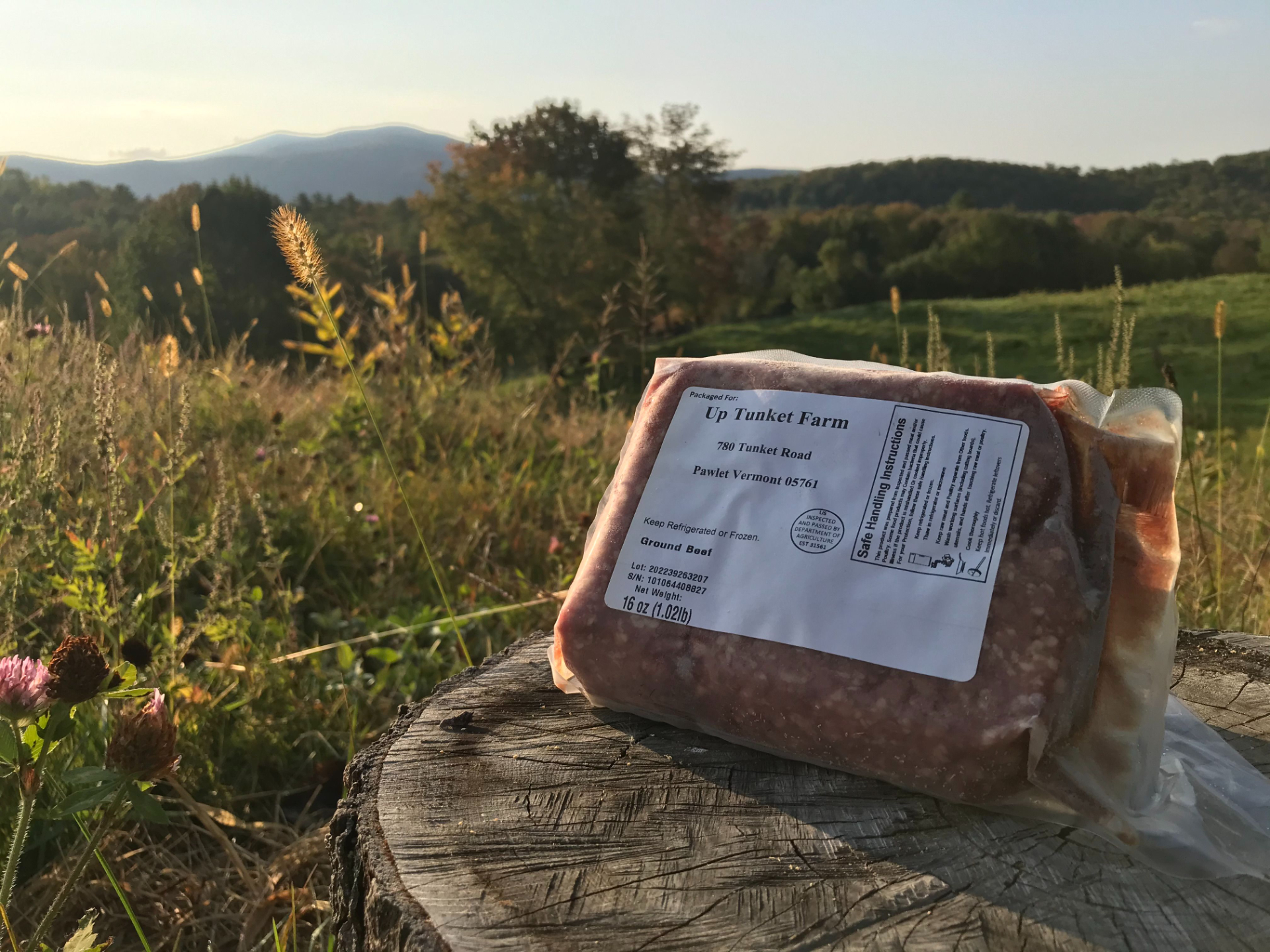
UpTunket Farm and Homestead
Building a Life, Growing a Family
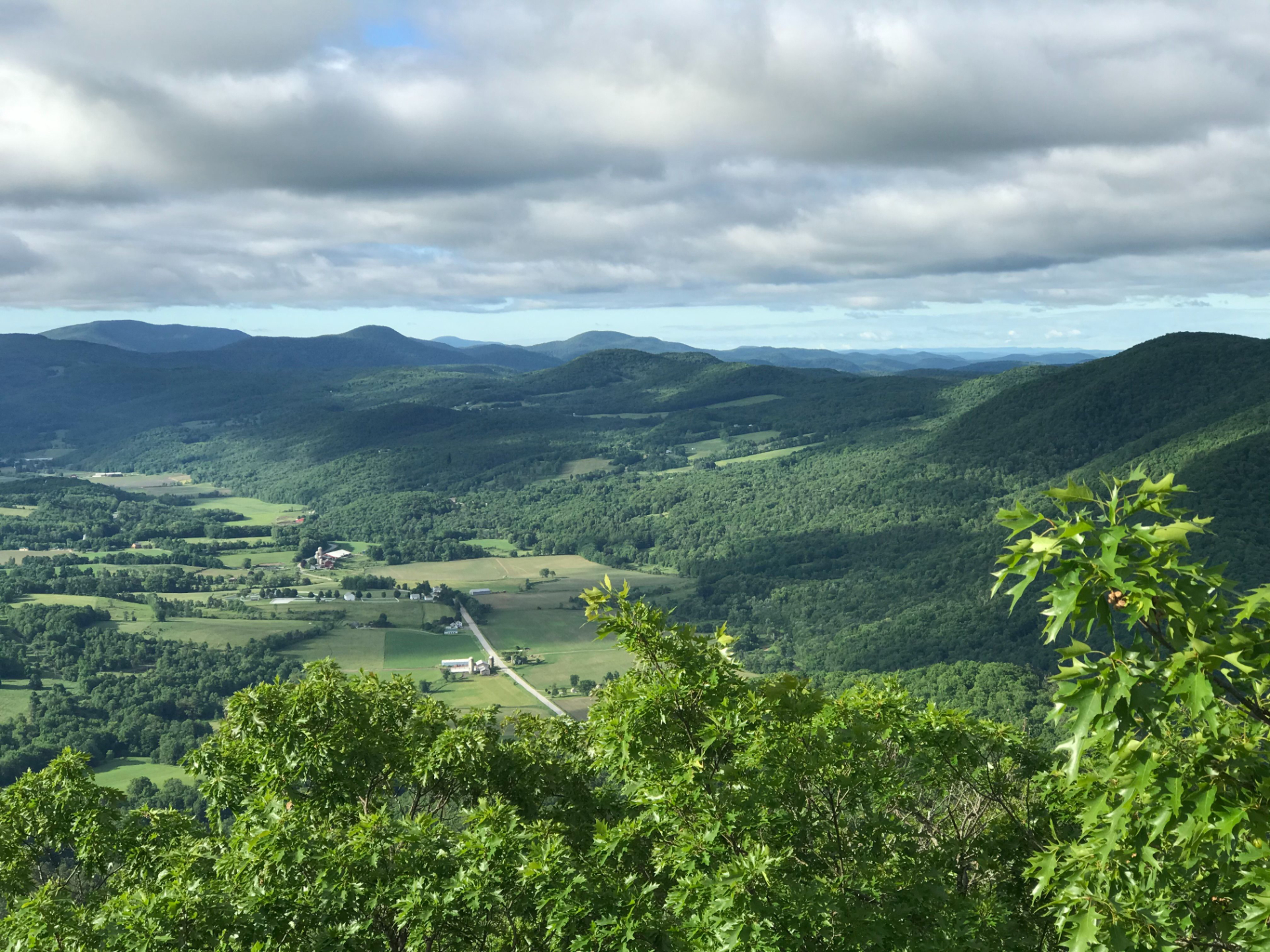
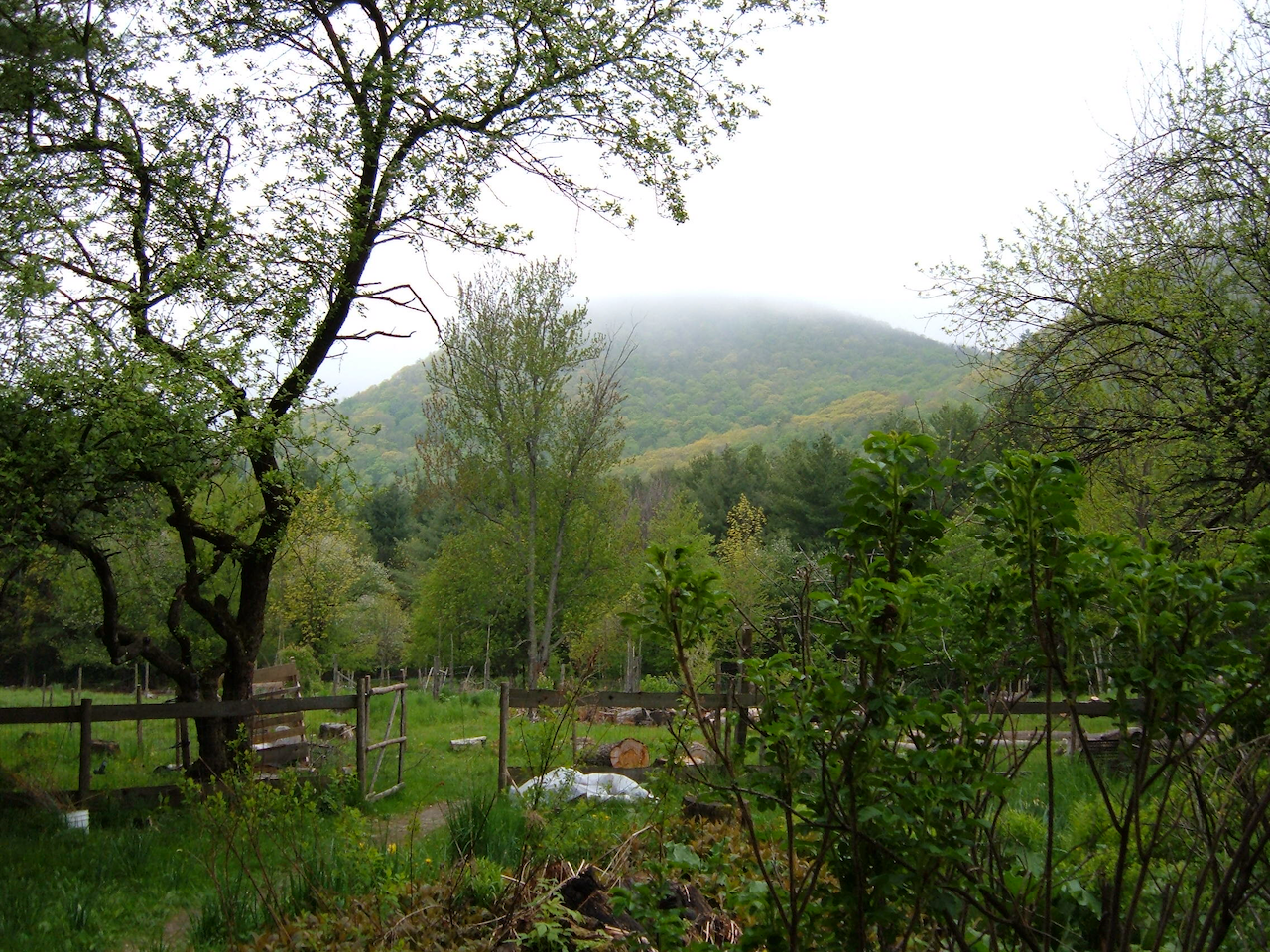
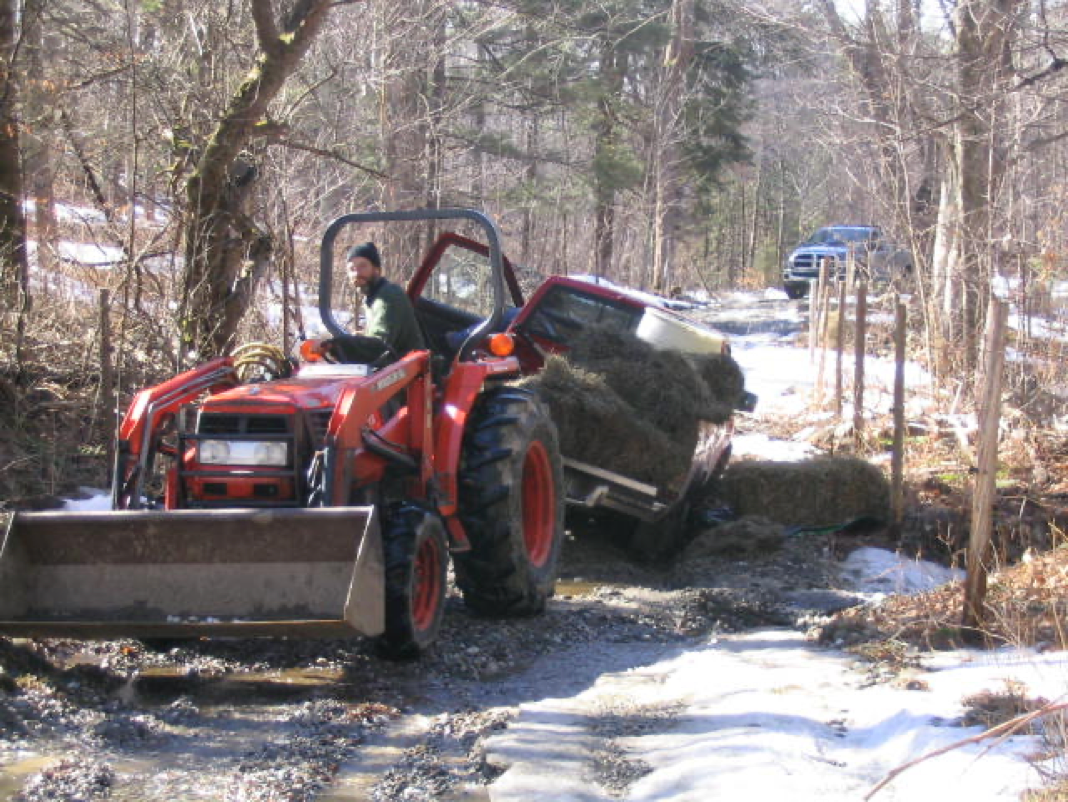
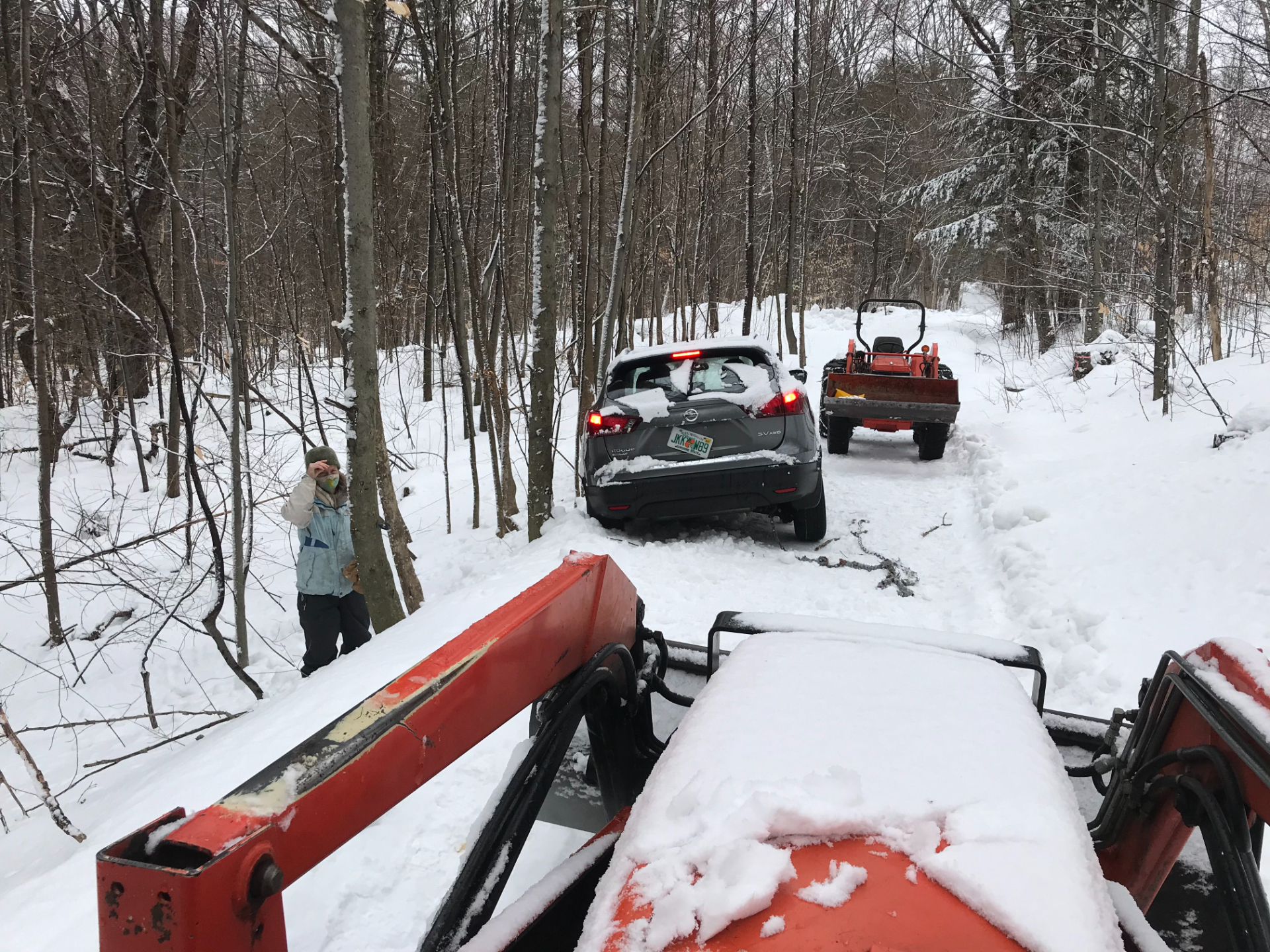
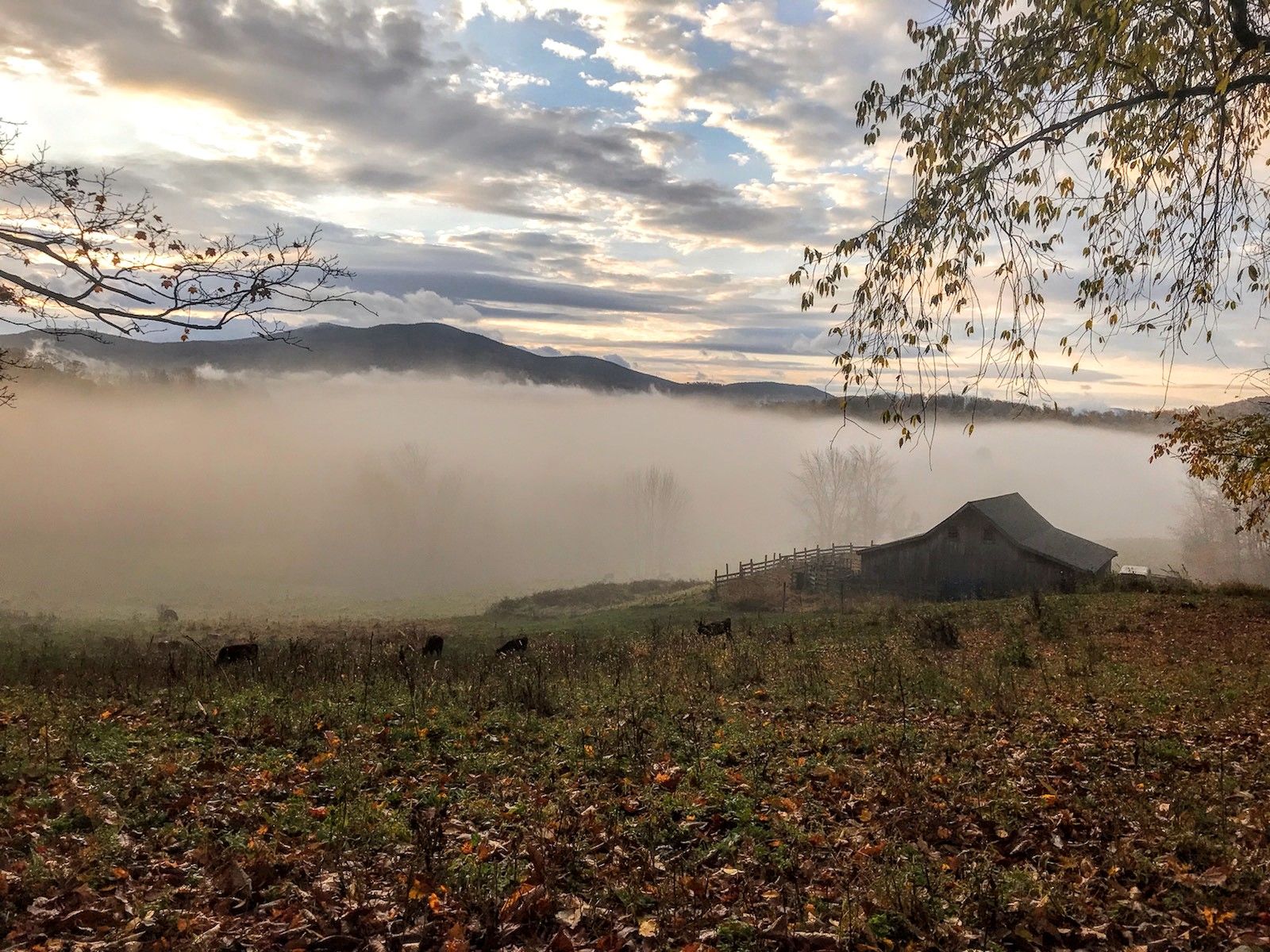
It’s not the simplest life, and it’s not perfect, but it’s the life we chose to build. Our farm and homestead are perched about a mile up from the nearest town road, tucked against The Nature Conservancy’s North Pawlet Hills preserve just outside of Pawlet, Vermont. The beginning of our story lies at the end of Tunket Road: “Road” being an exaggeration and “Tunket” being a colonial-era expletive that even today captures the challenges of getting in and out of our remote homestead…meaning there’s a lot of walking and sledding between November and April.
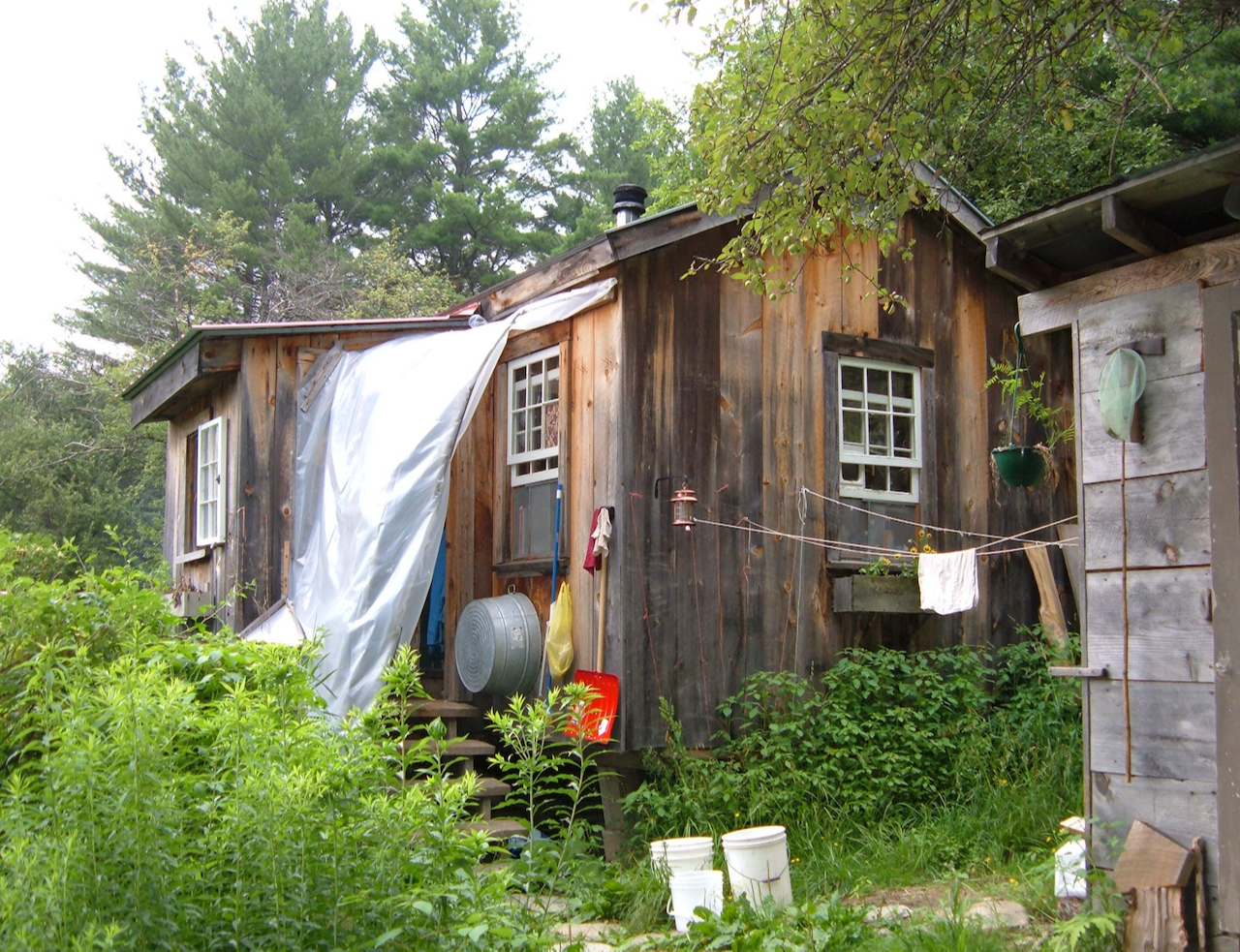
In 1996, my wife Erin and I purchased 25 predominantly-forested acres, initially accessible only on foot or with a four-wheel drive vehicle. The property included a wildlife-rich (inside and outside) 12’x28’ cabin that was falling off its footings and ready to collapse. We weren’t dissuaded by the remote nature of it all, as it almost seemed tame in comparison to what we’d seen in living at Brunnenburg Castle and Agricultural Museum, where we learned the true essence of "sustainability" from the Bergbauern, the mountain farmers of the Alps.
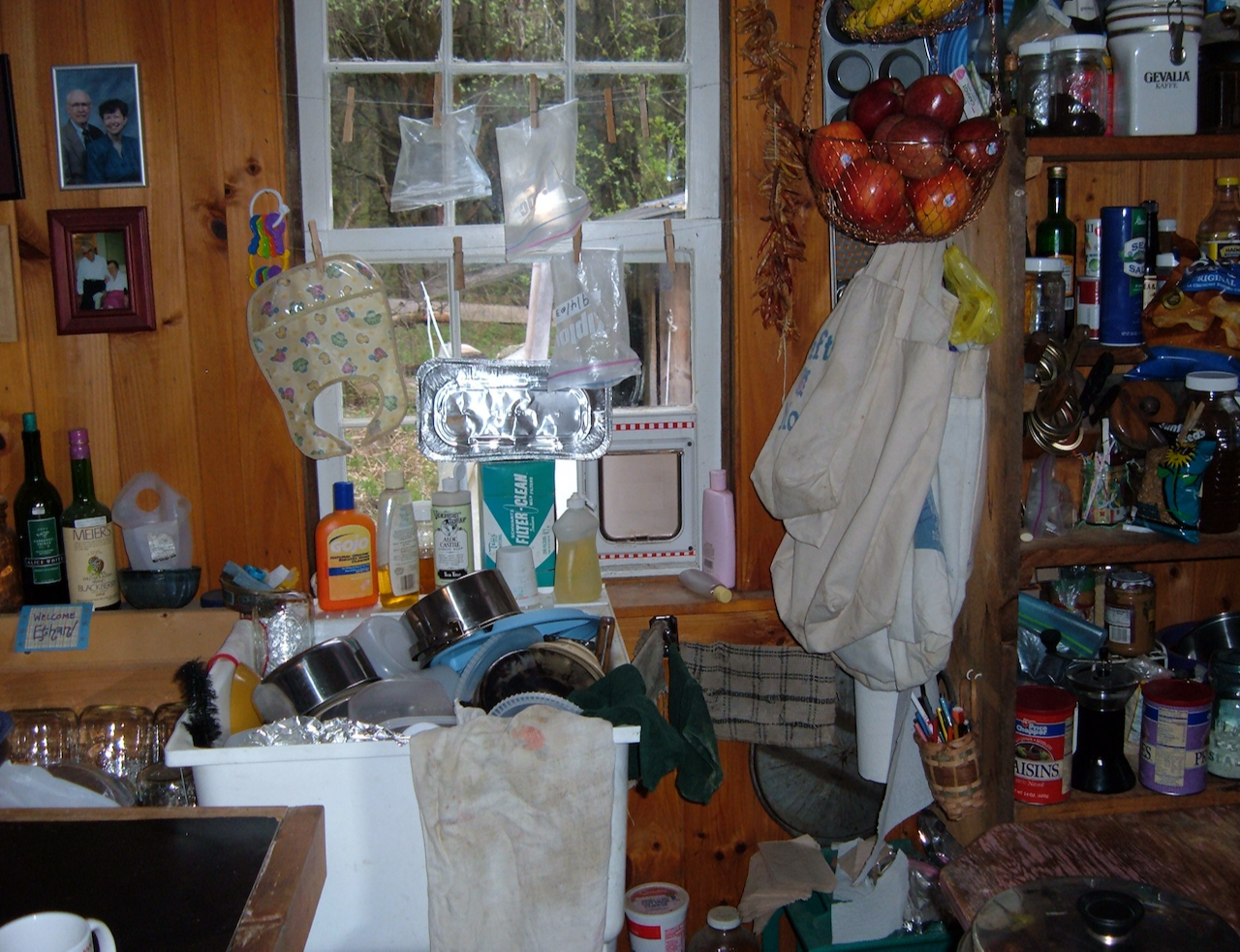
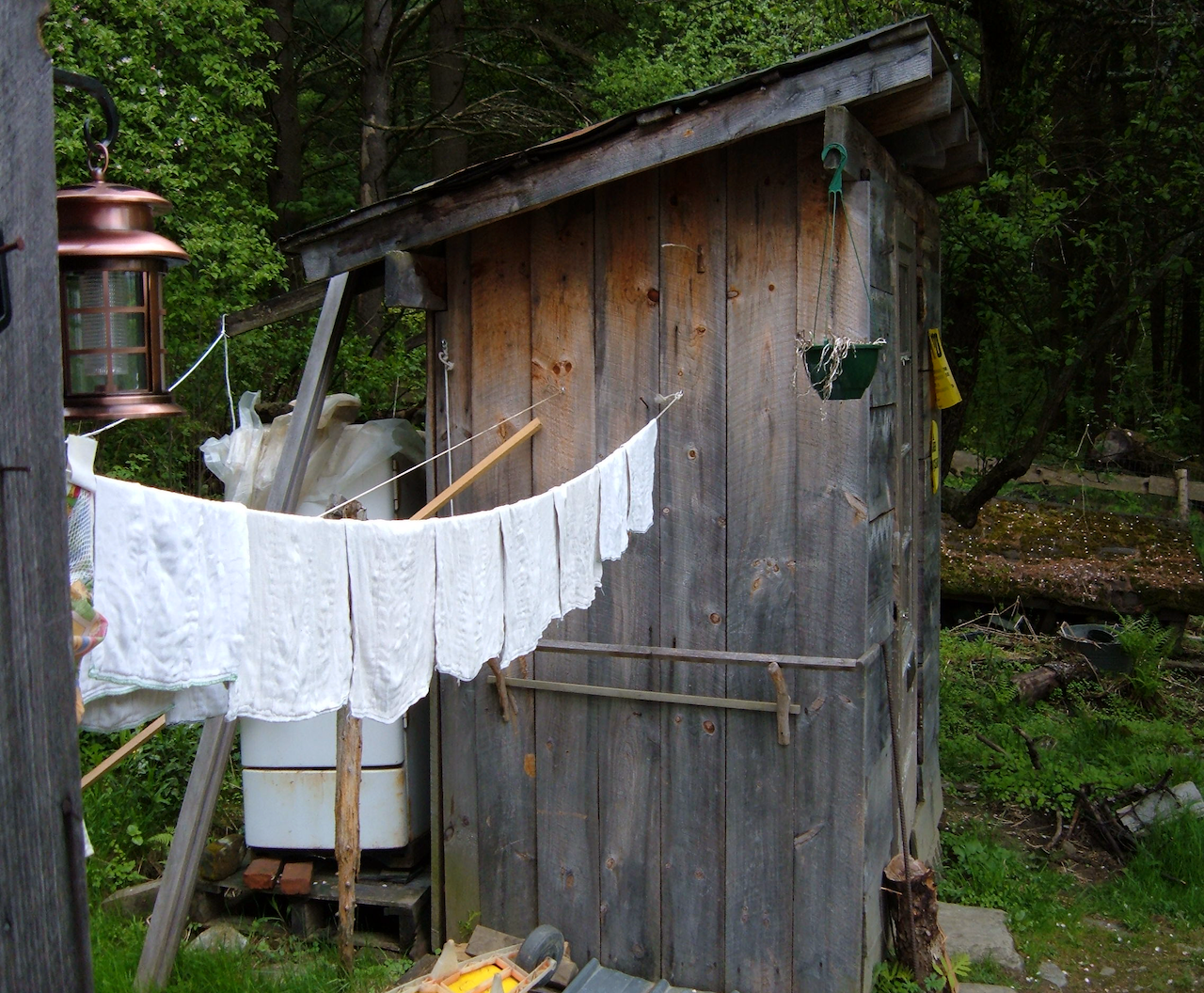
At a price tag of $39,000, we could afford to live without electricity, running water, or a phone for a few years. Several years quickly became 7+ years, but when we hit toddler-stage with our first two kids, running water, a washing machine, and more play room began to seem more like necessities than luxuries--simple pleasure we were eager to embrace on a daily basis.
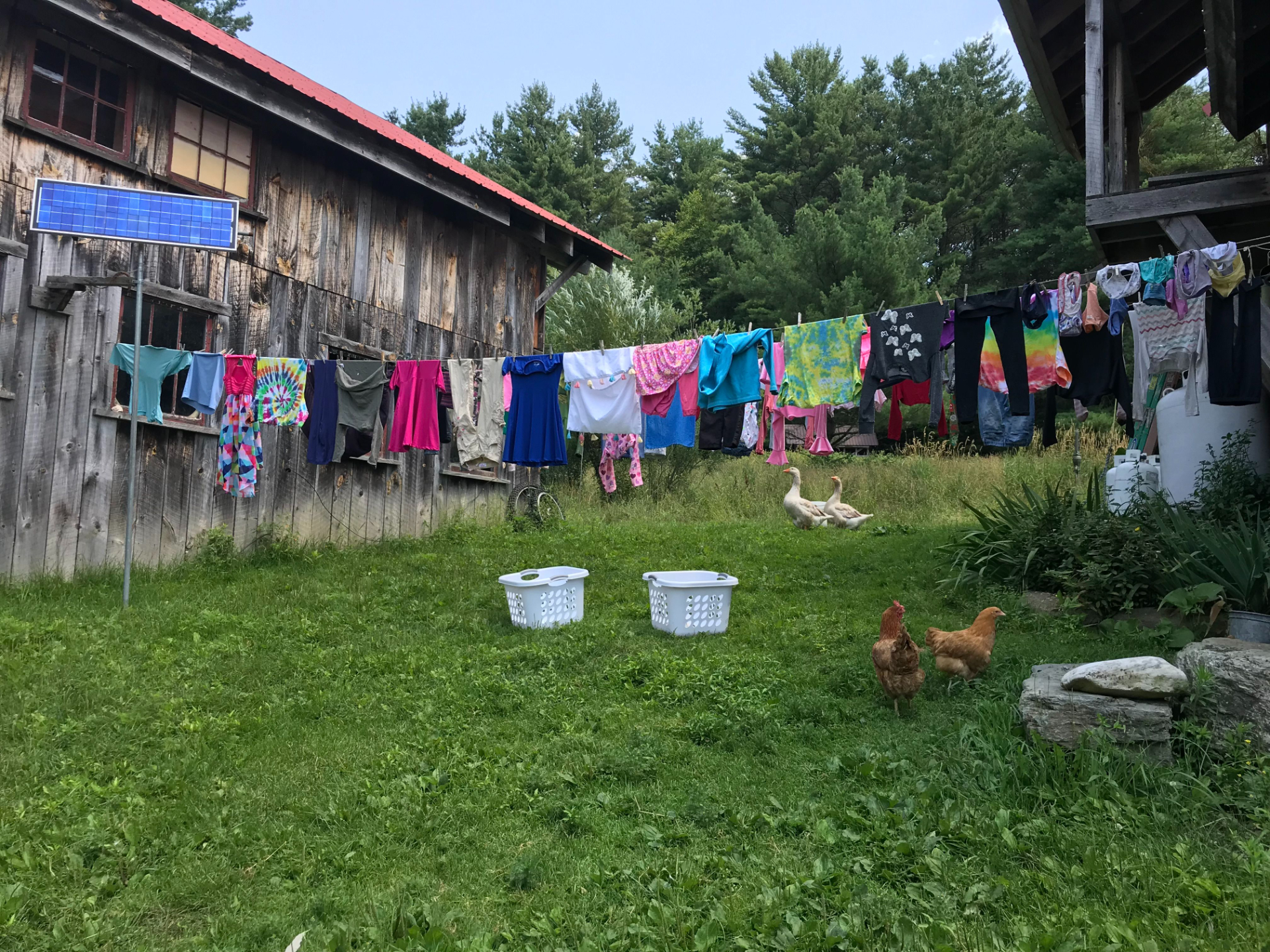
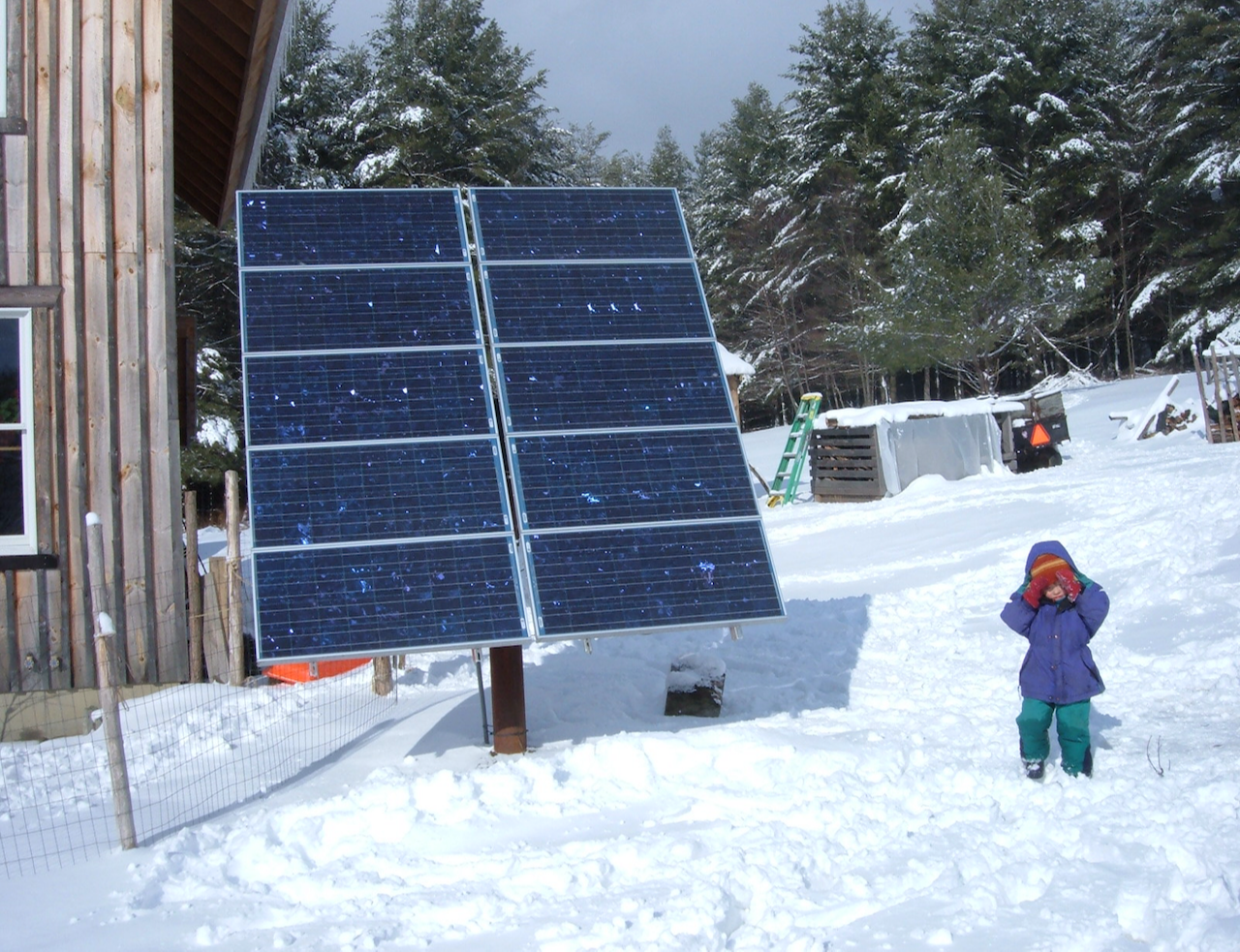
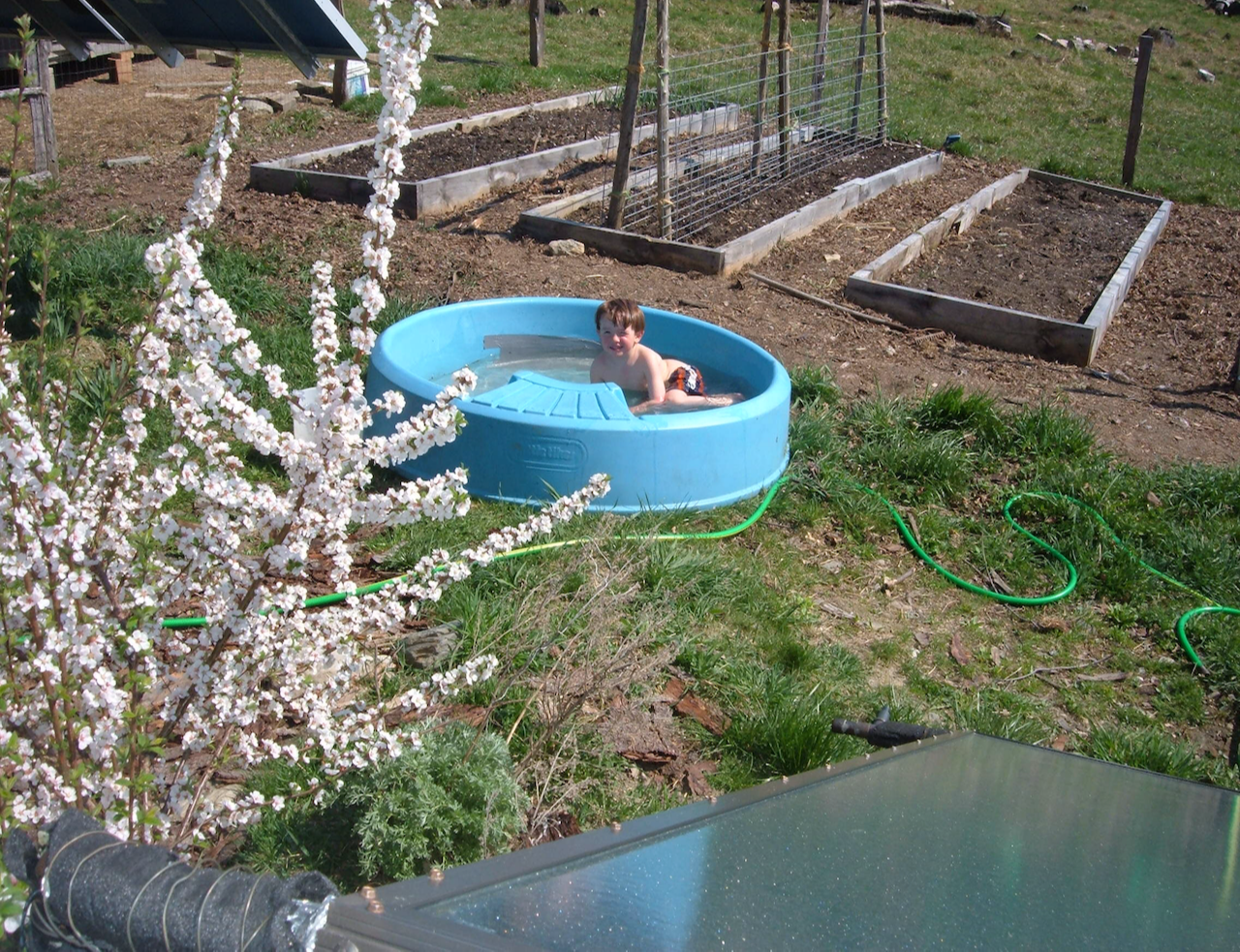
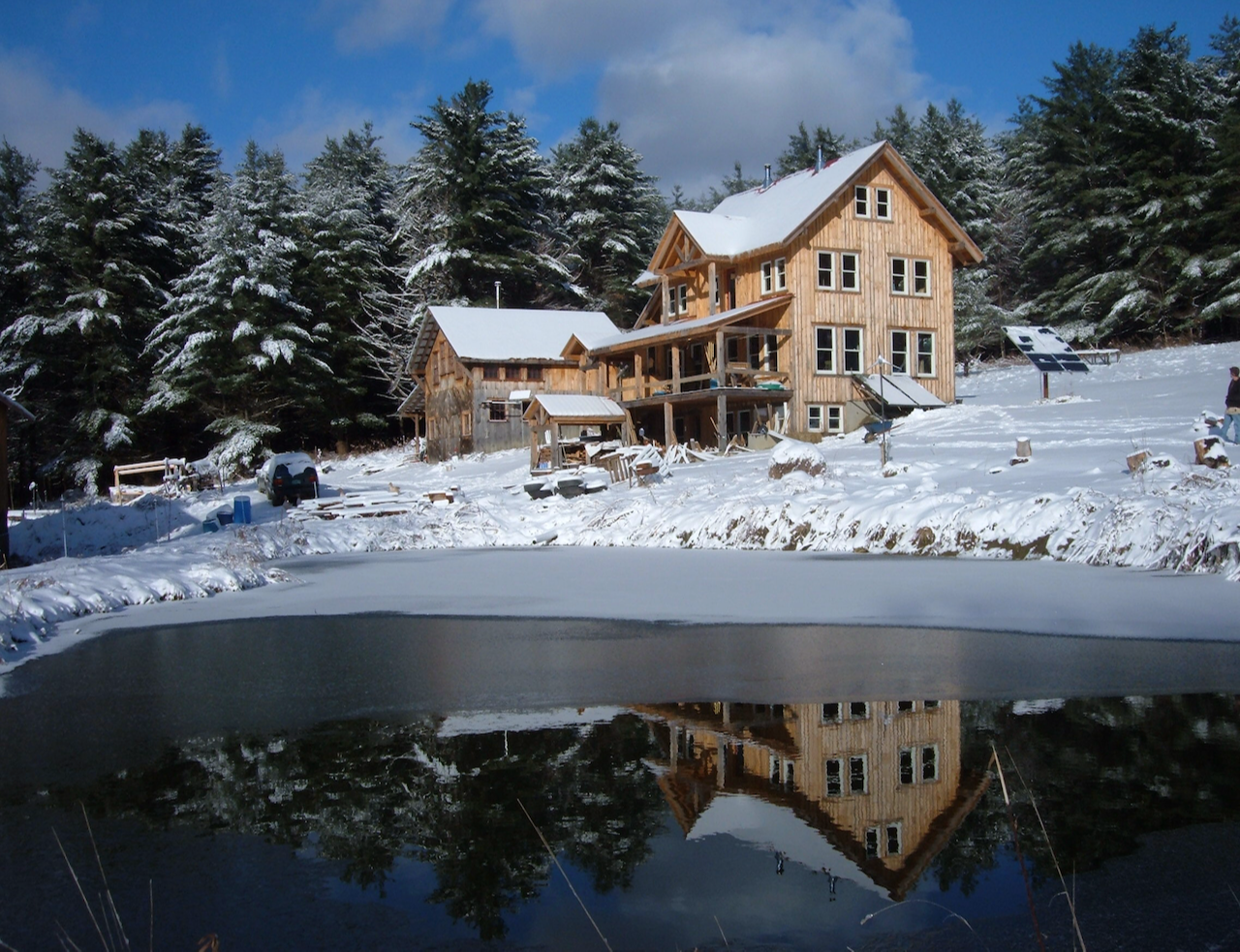
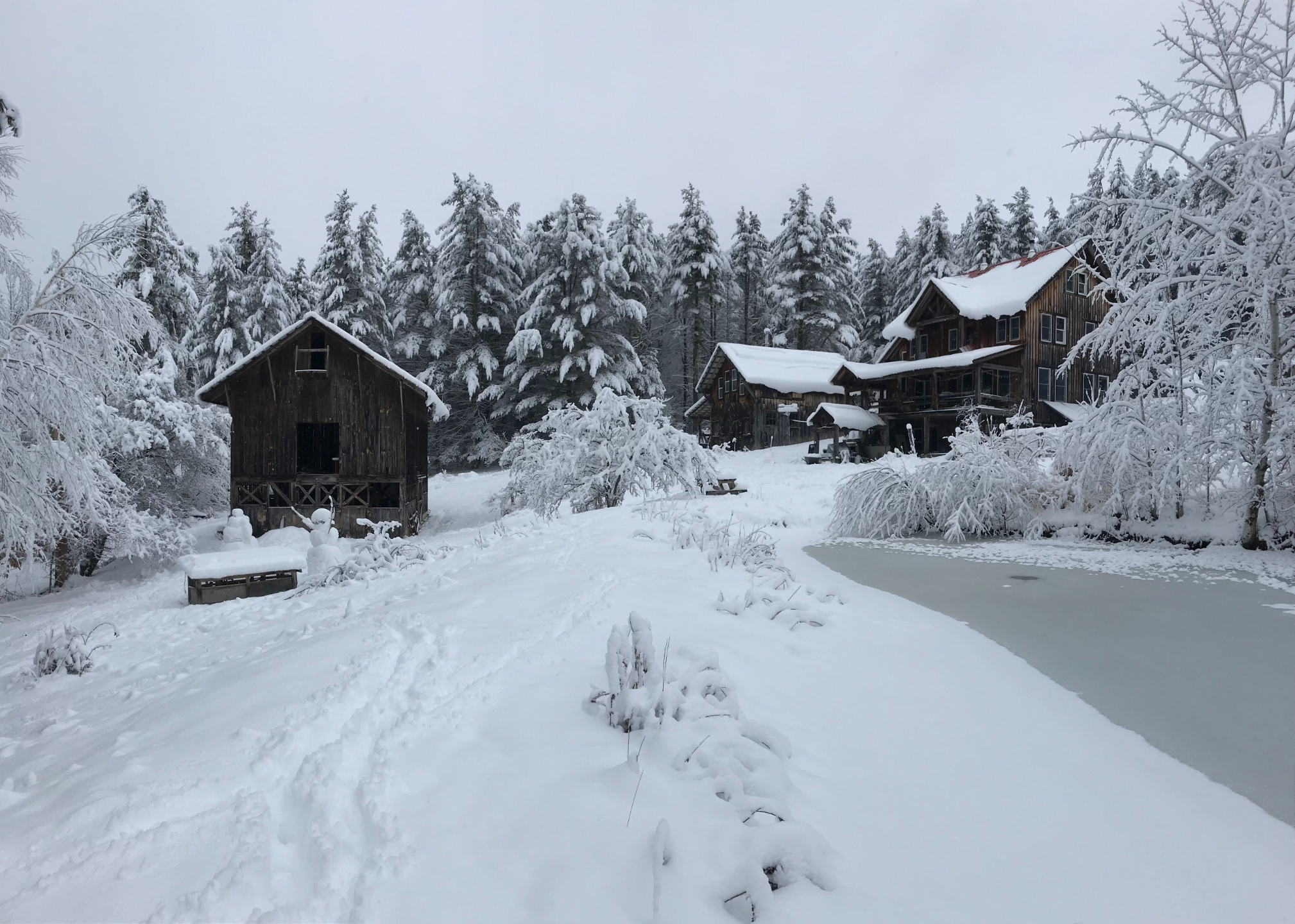
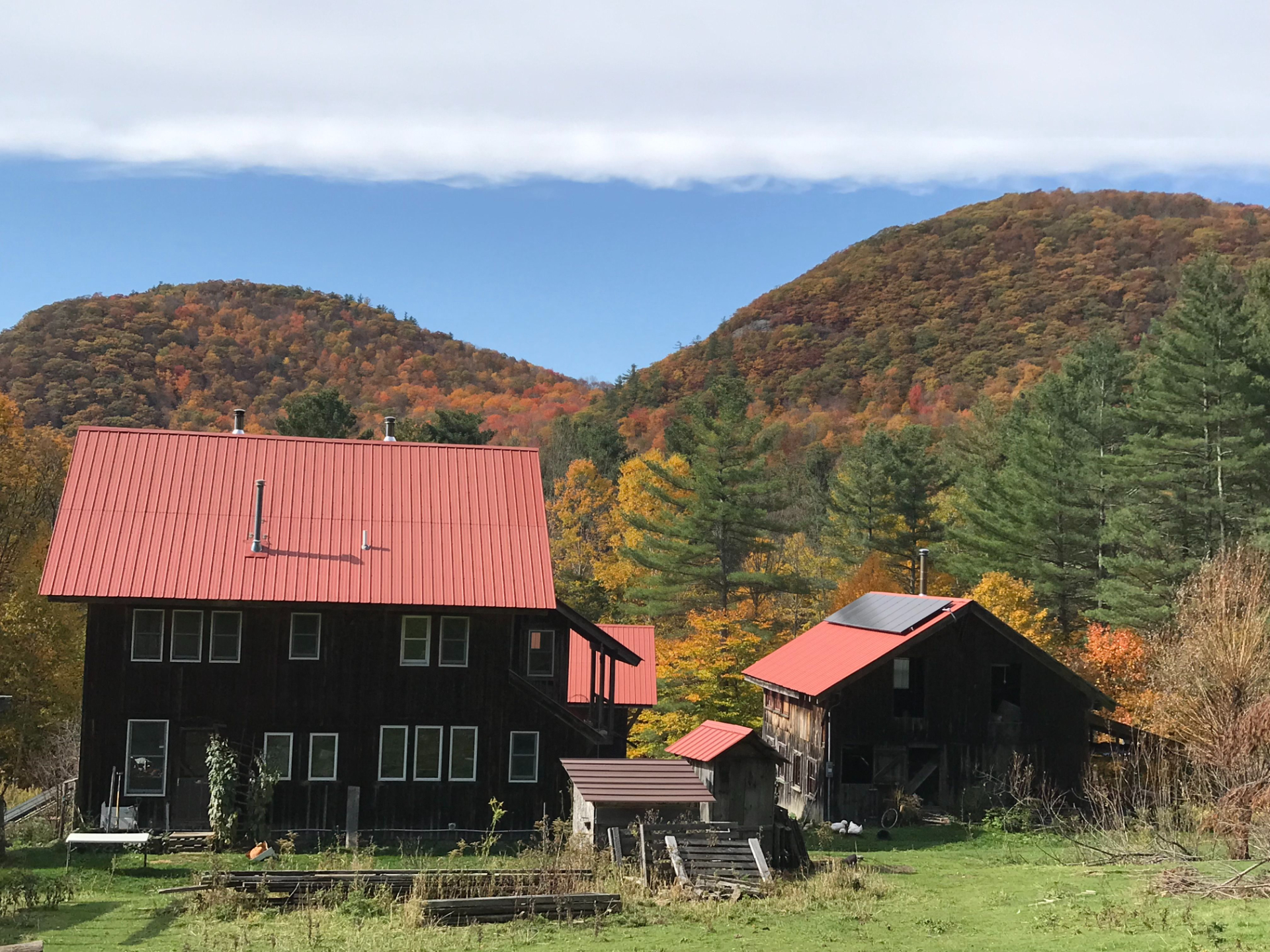
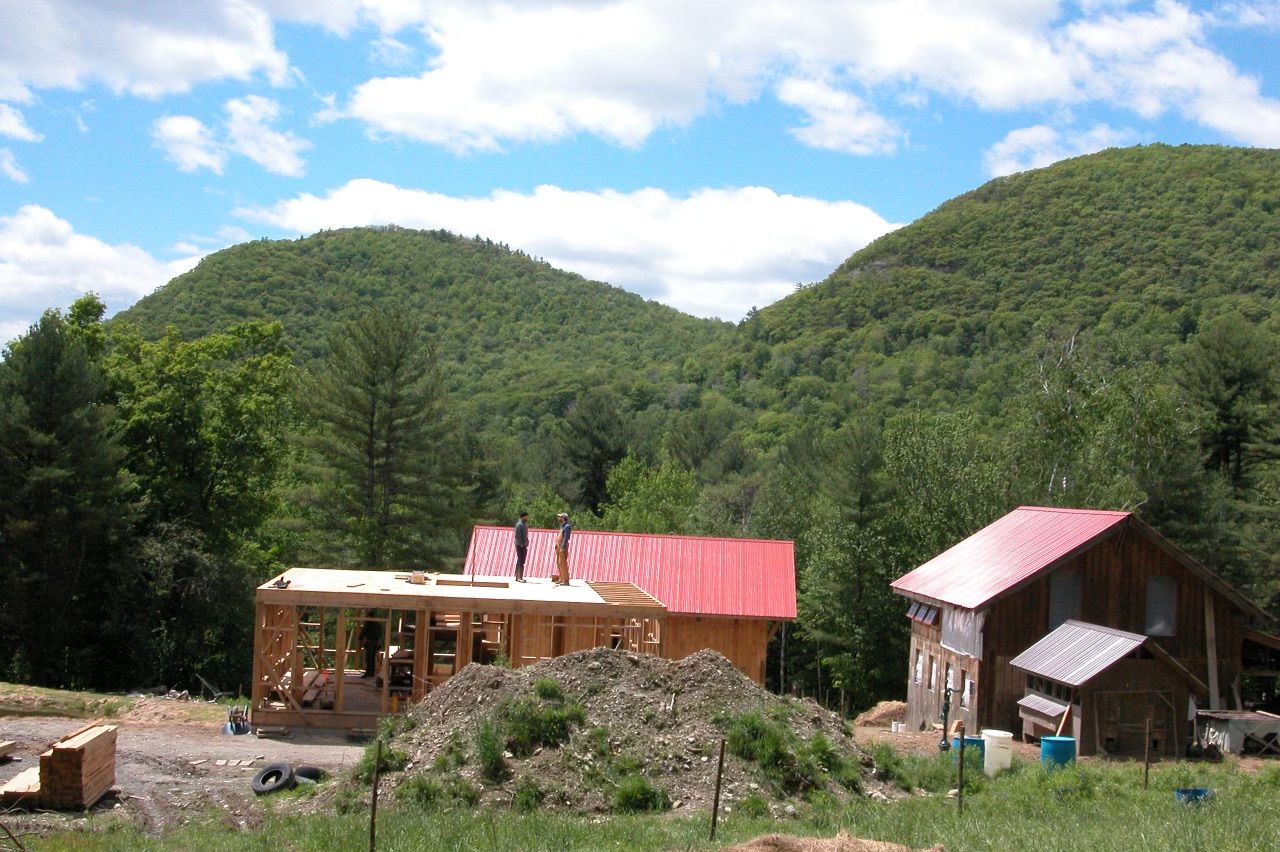
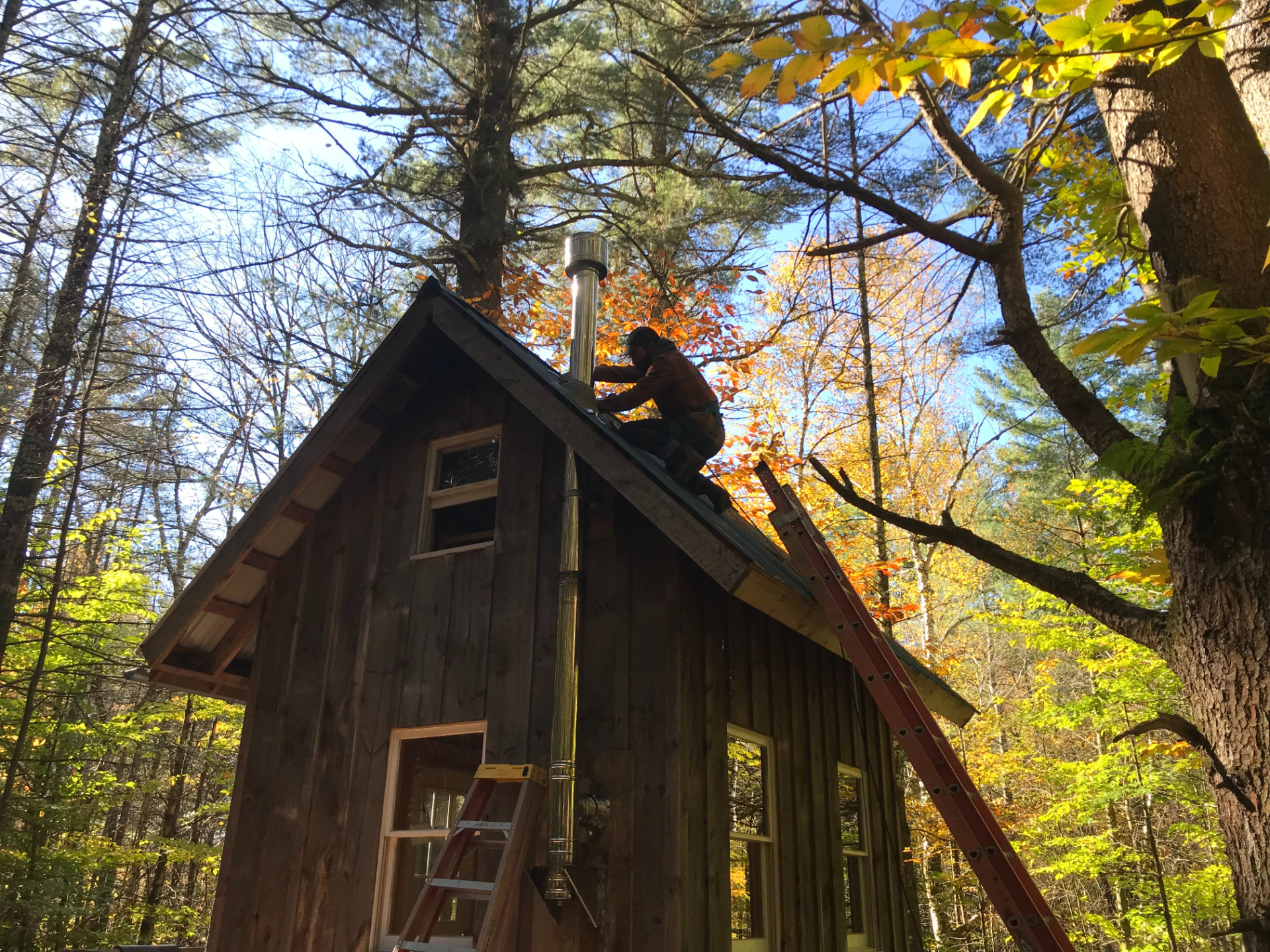
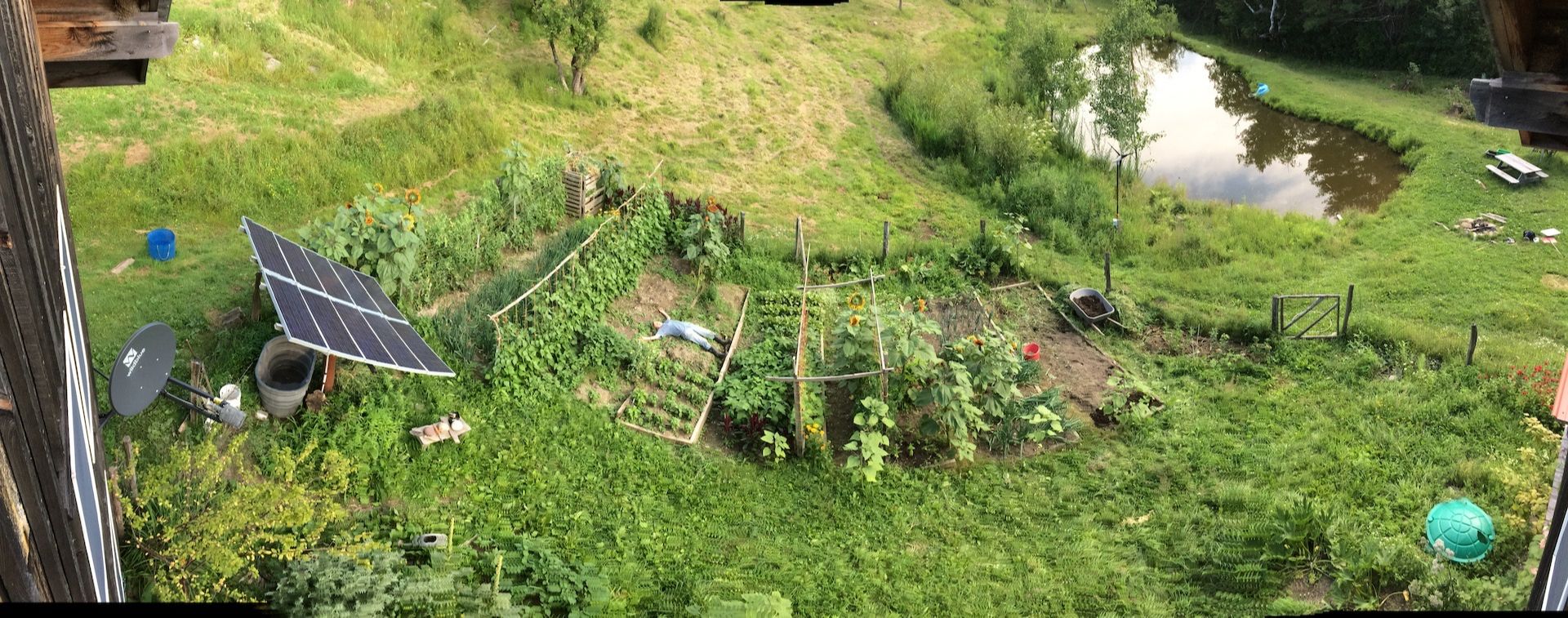
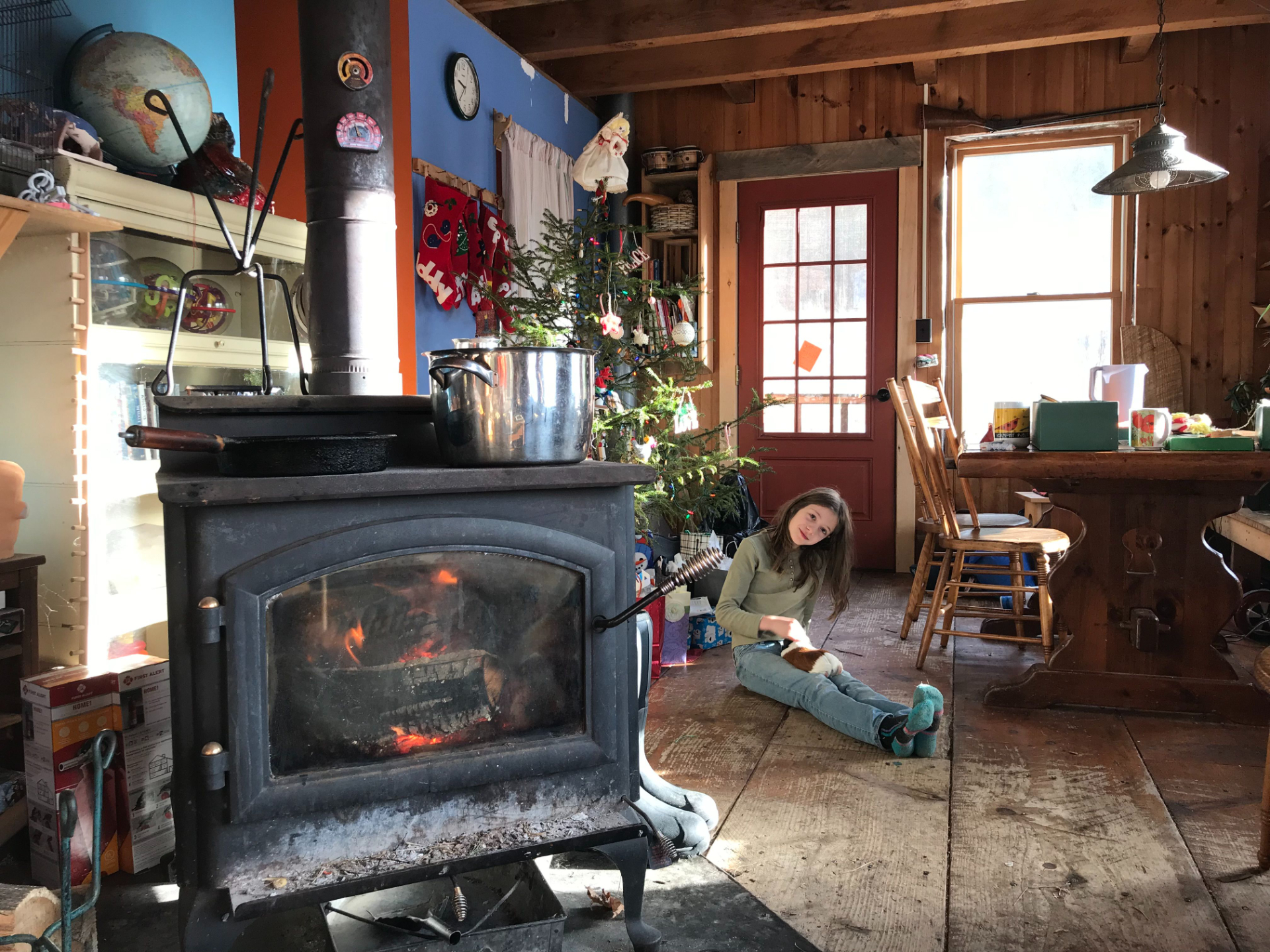
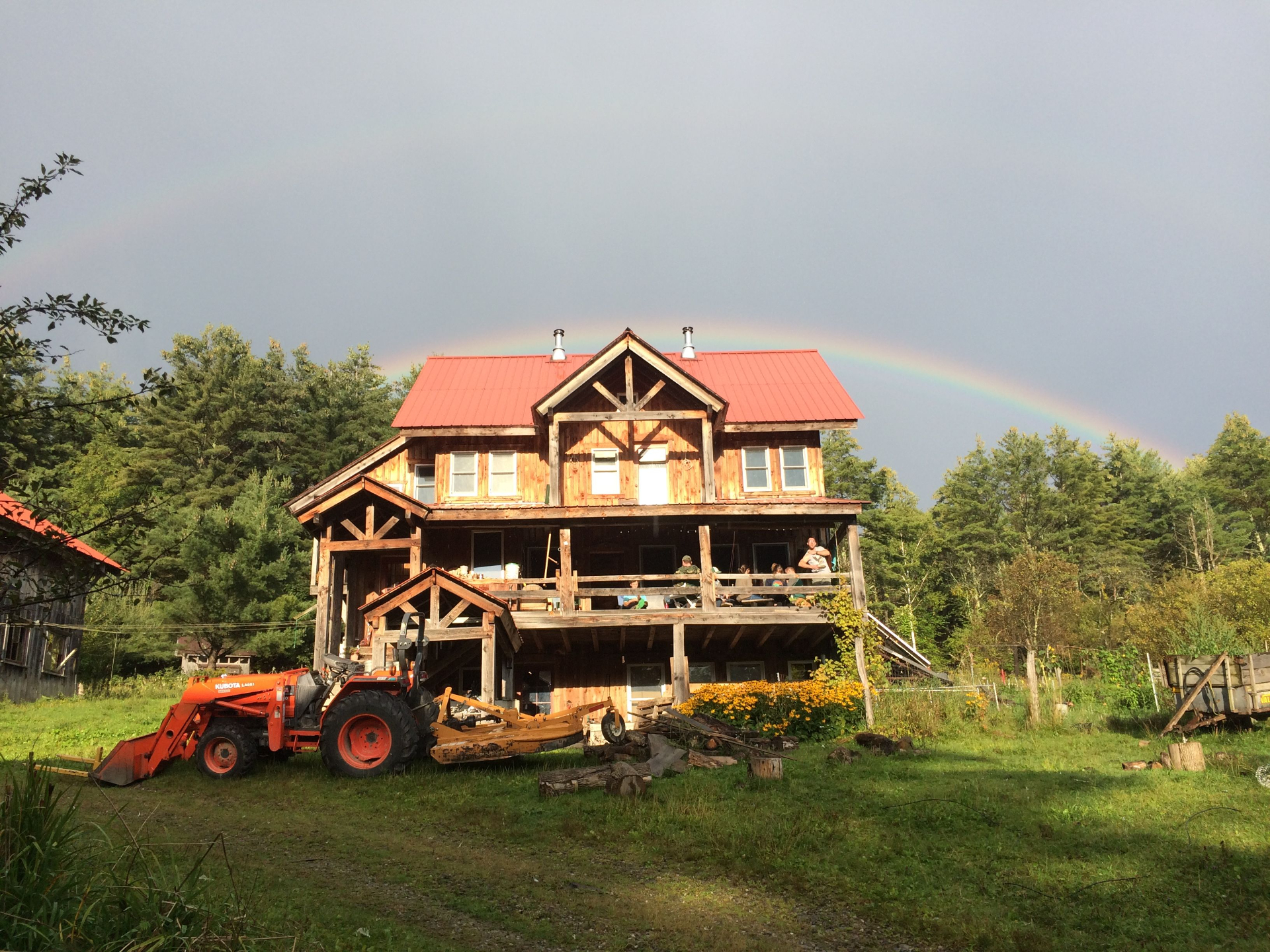
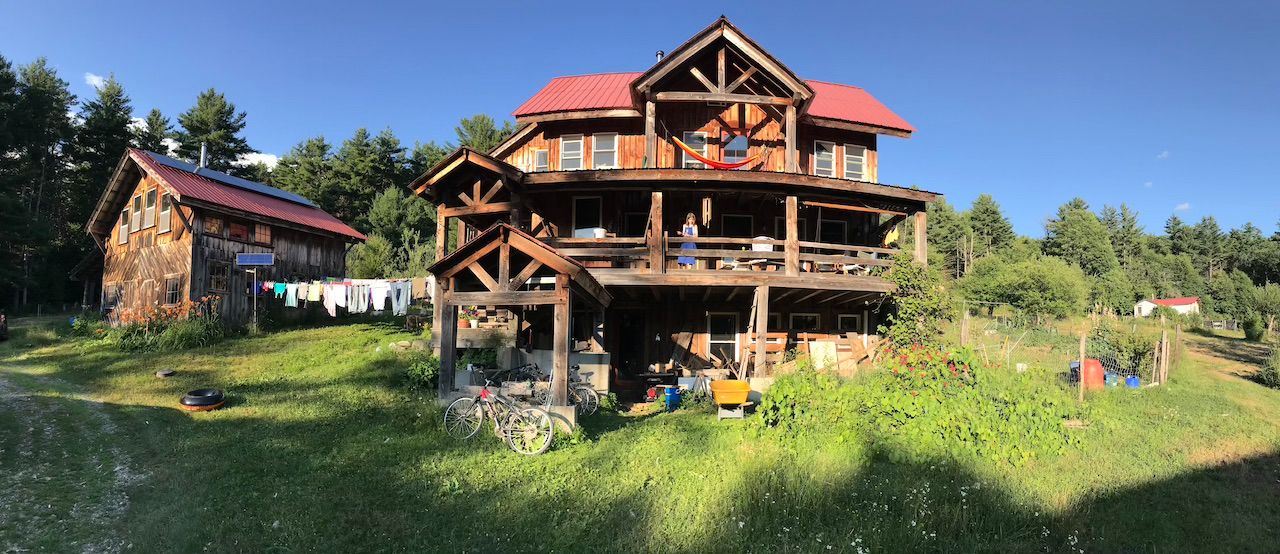
Erin spent a year designing our new house on graph paper, and along with some friends, we built it to her specs. We built everything with rough-cut lumber from a local sawmill and installed a small but amply generous solar power system, along with solar hot water panels – both in service to the all-important washing machine to handle cloth diapers and our typically muddied attire. We heat almost exclusively with two woodstoves, supplemented by propane-fueled radiant floor heat in the basement, set to a balmy 48 degrees as a buffer to the frequently frigid New England winter.
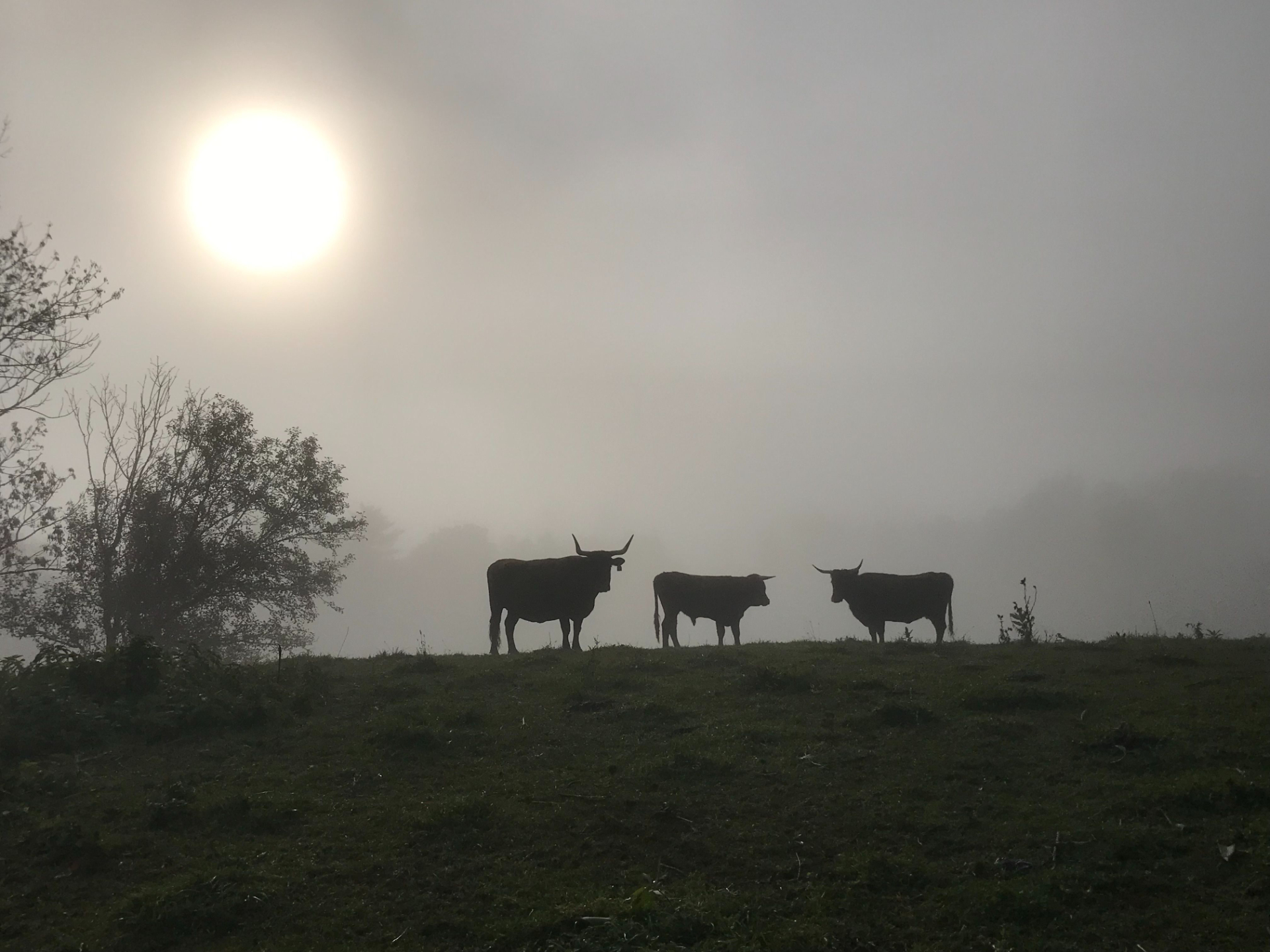
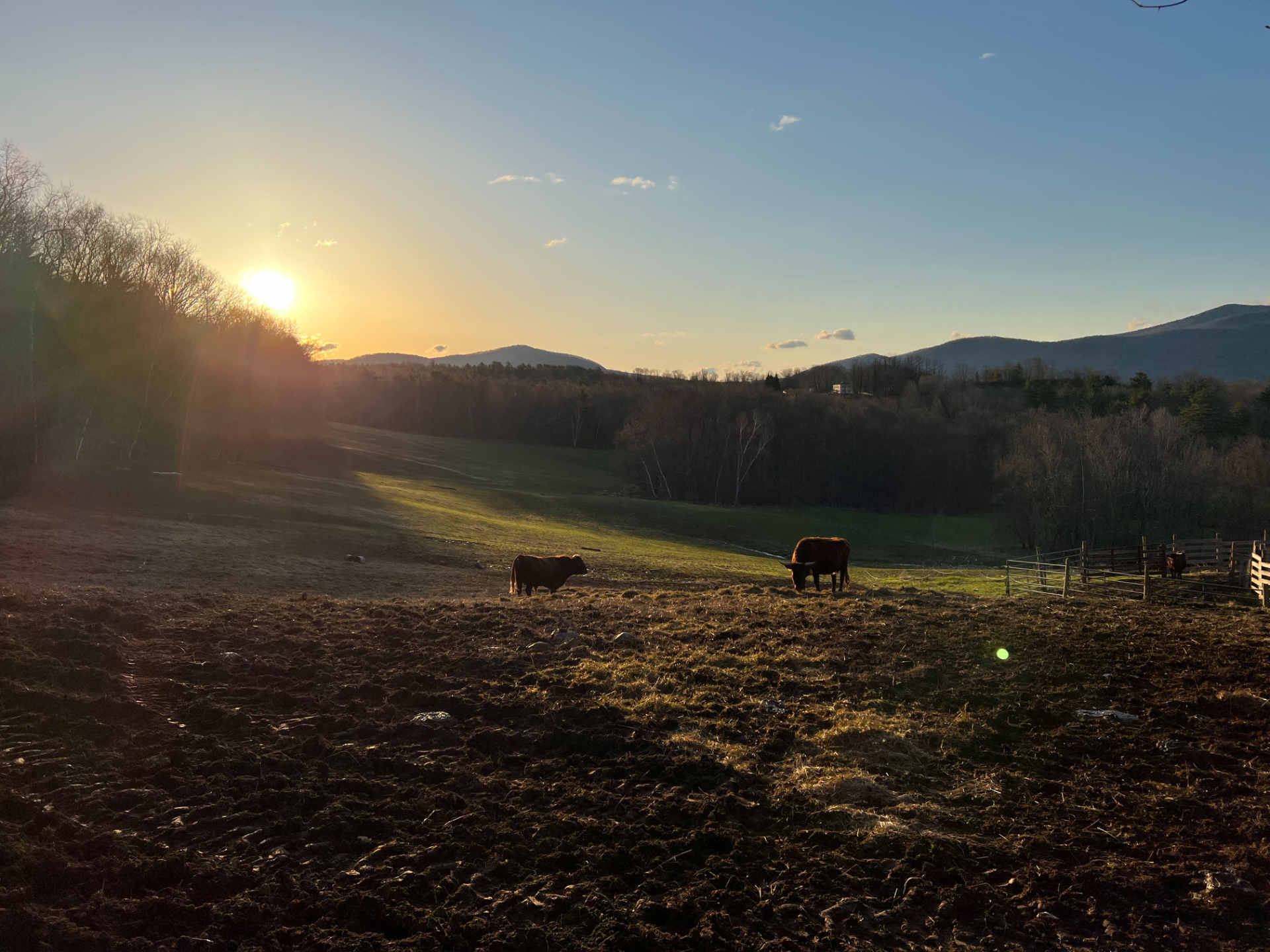
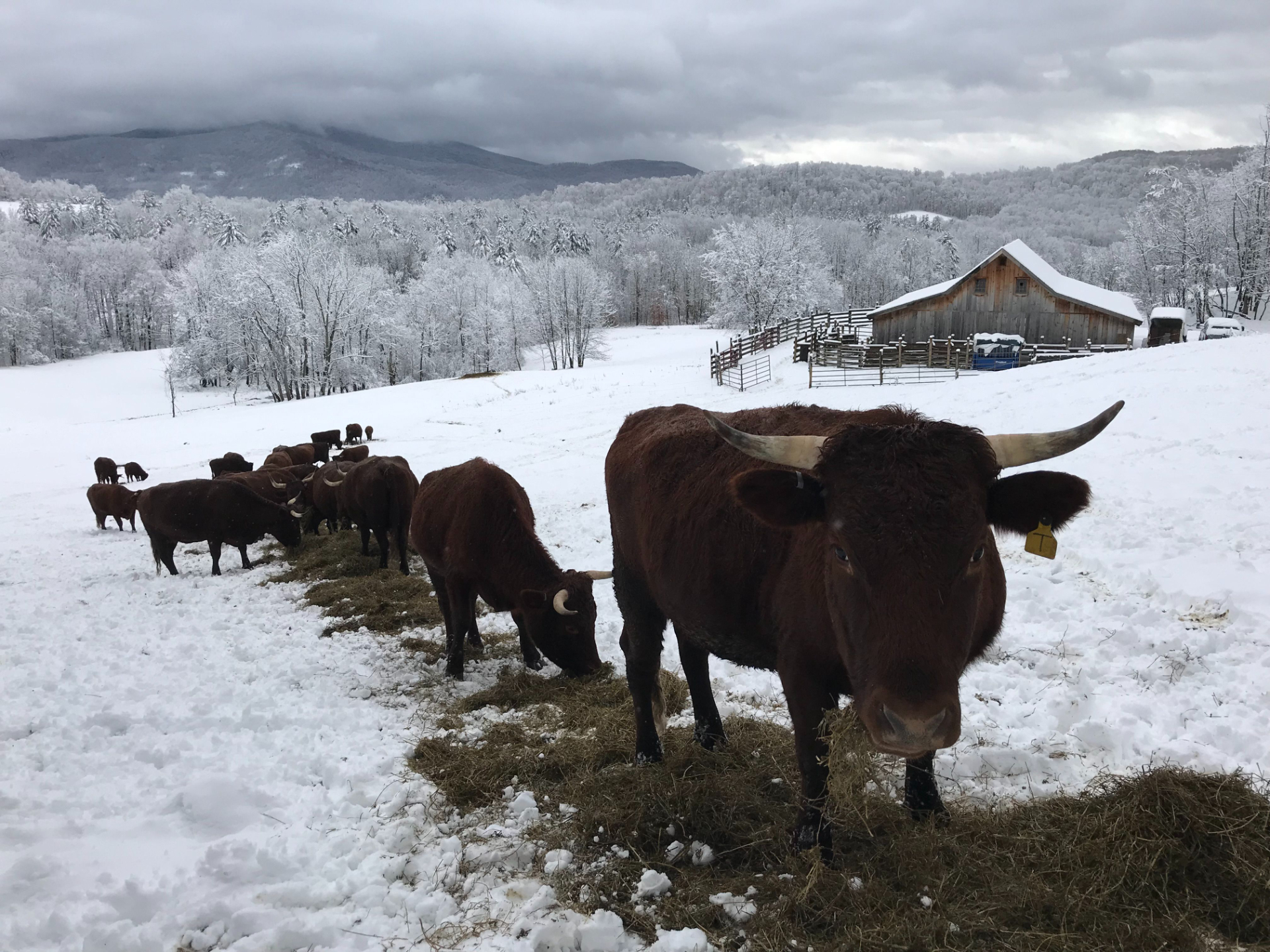
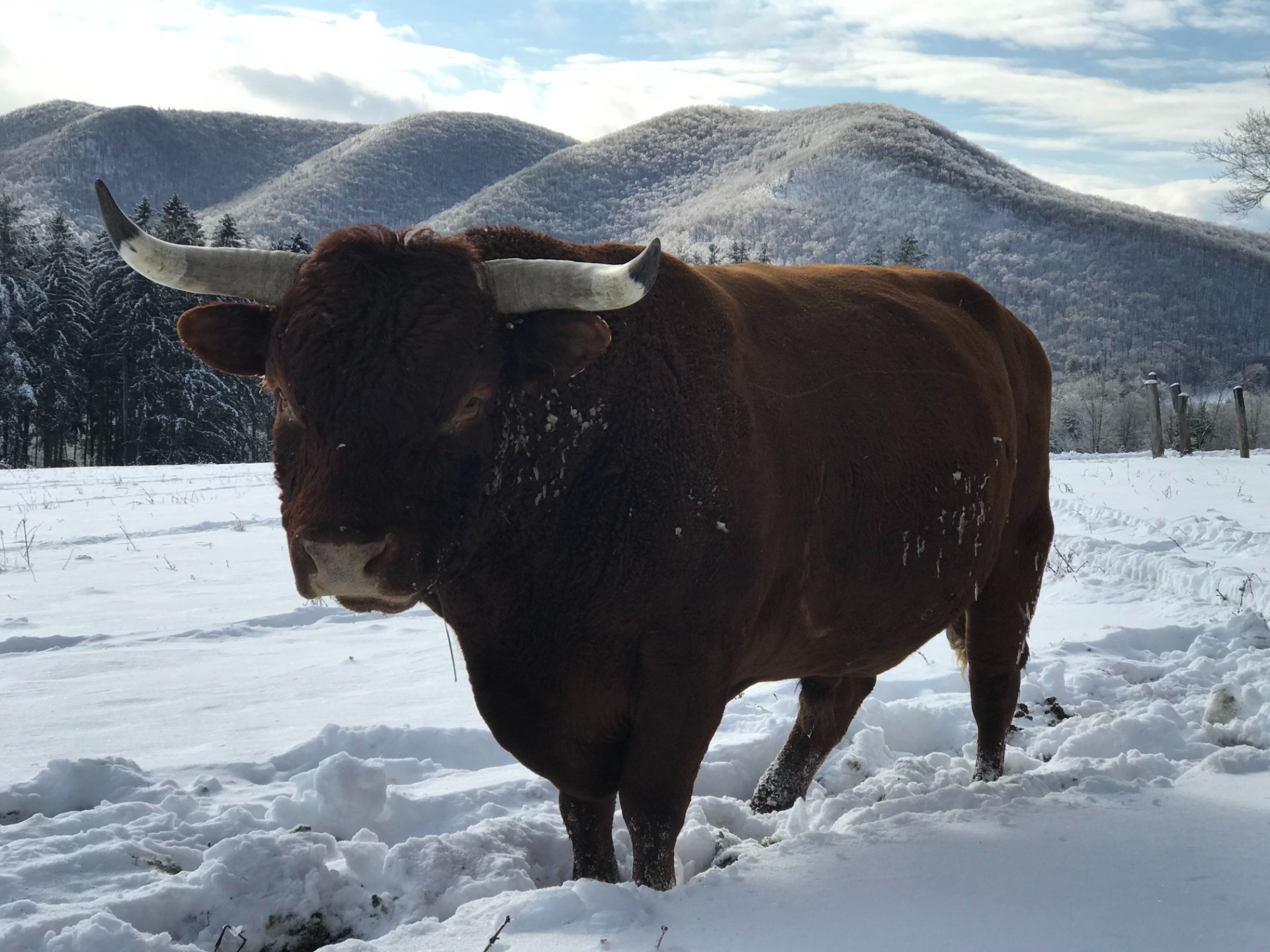
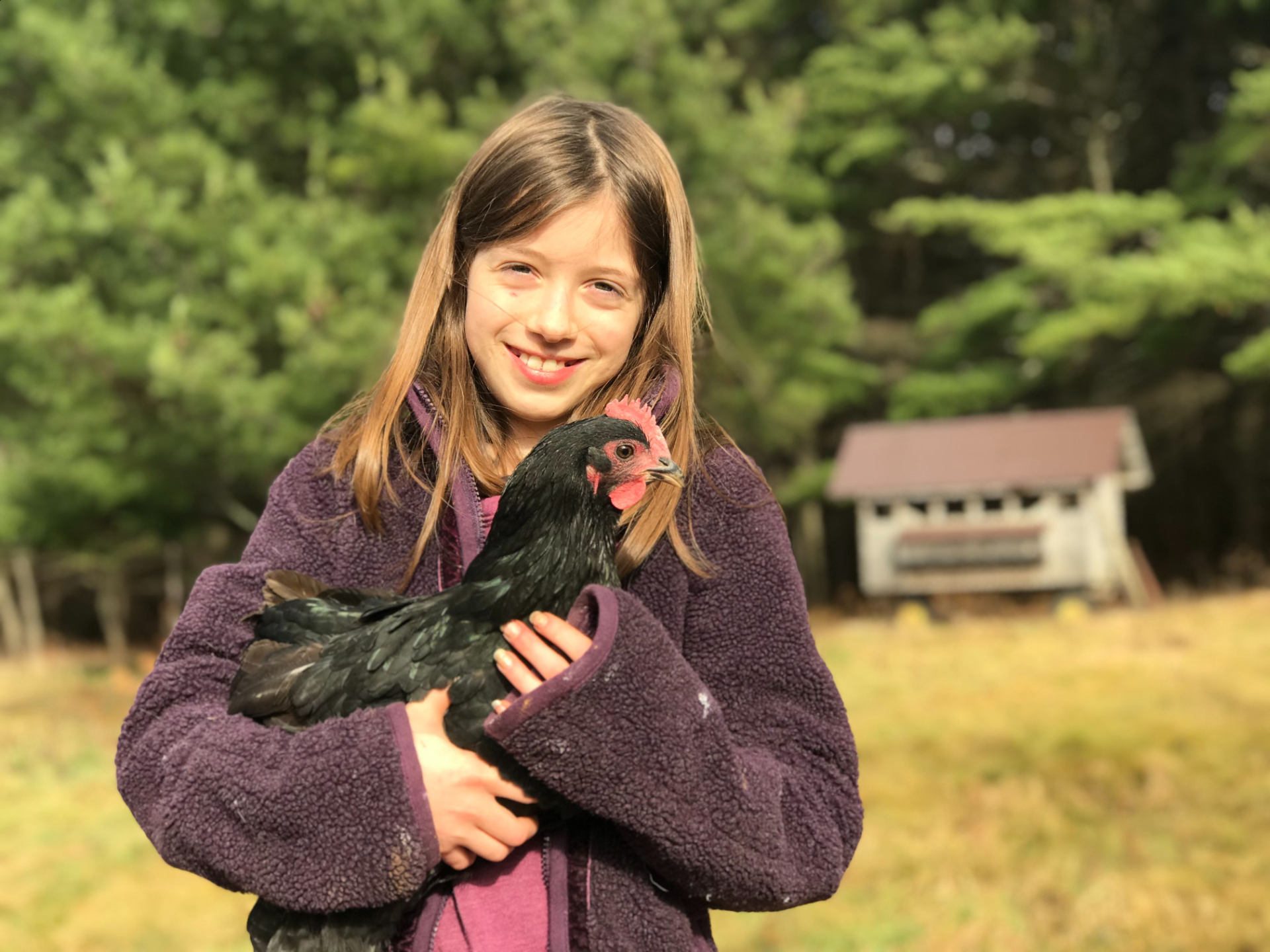
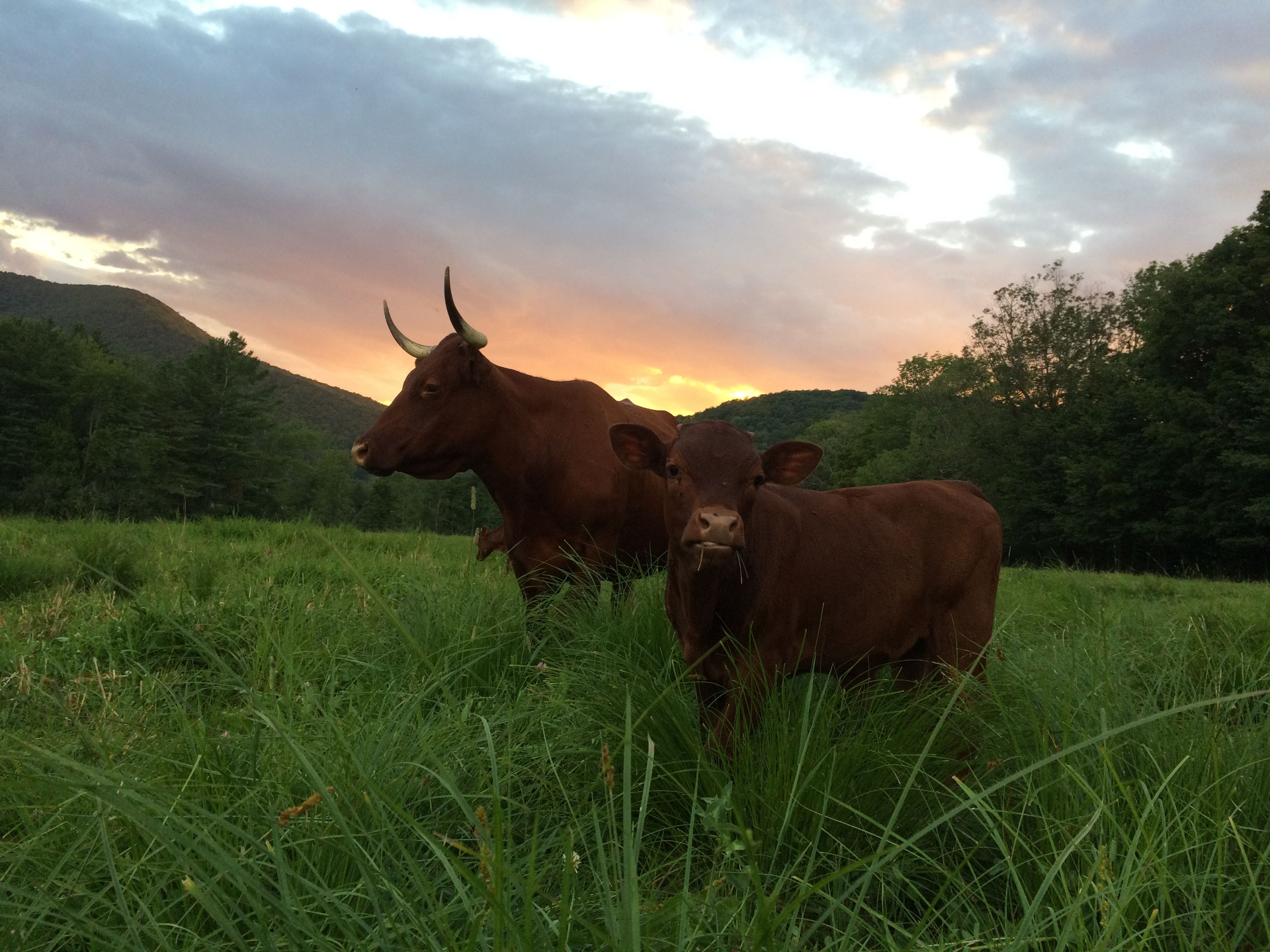
Perhaps with misguided priorities, I’d built two barns before constructing the new house. We’d purchased a starter herd of American Milking Devon cattle to round out the growing menagerie of poultry, goats, and even an old Belgian draft horse – who pulled more pranks than objects. Close to paying off our first mortgage, we’d opted to stretch our resources and purchase an adjacent 100 acres threatened by development. We worked to conserve it with The Nature Conservancy, eventually selling them 70 acres (for less than our purchase price) to add to their growing preserve of several thousand acres.
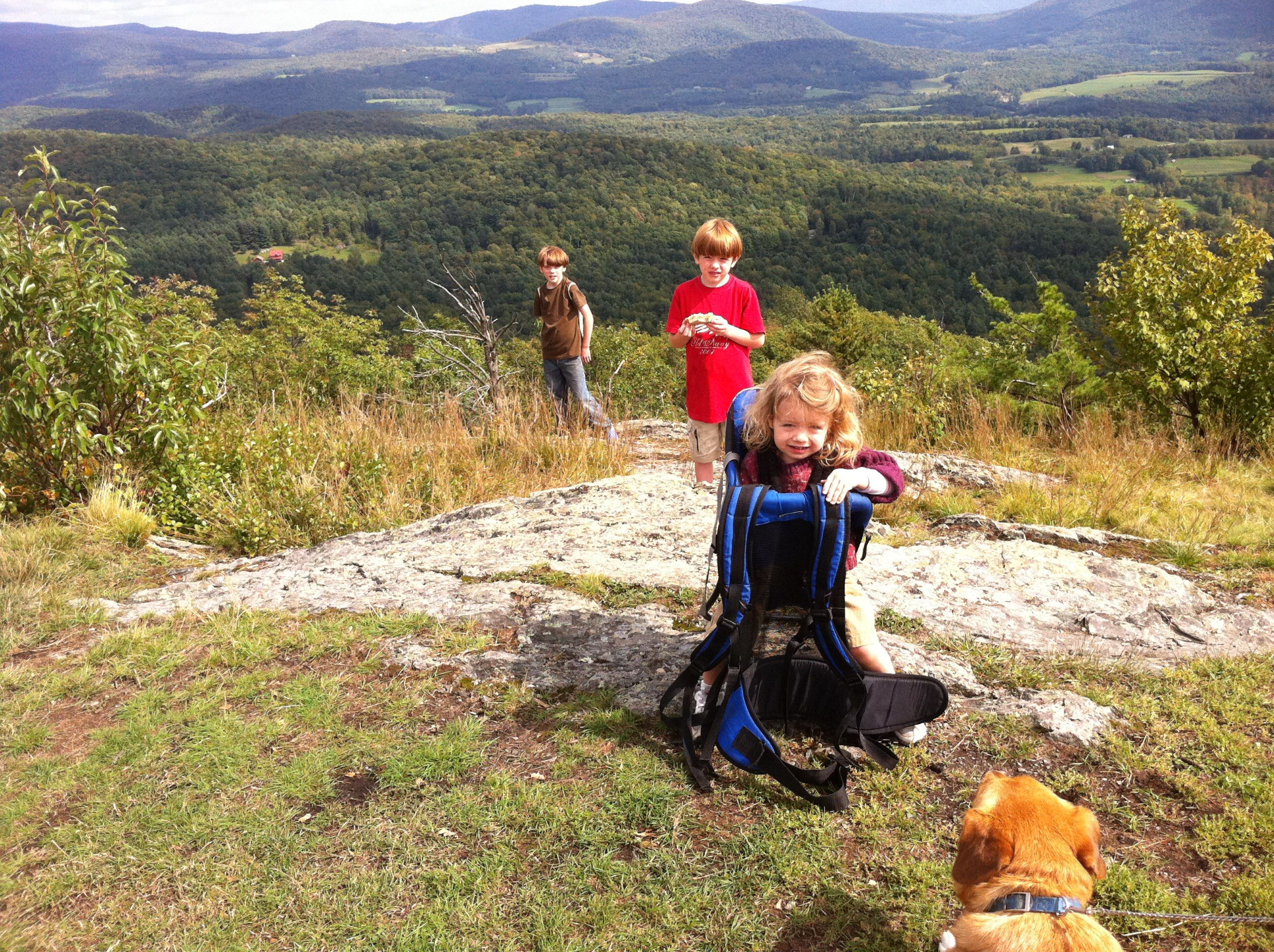
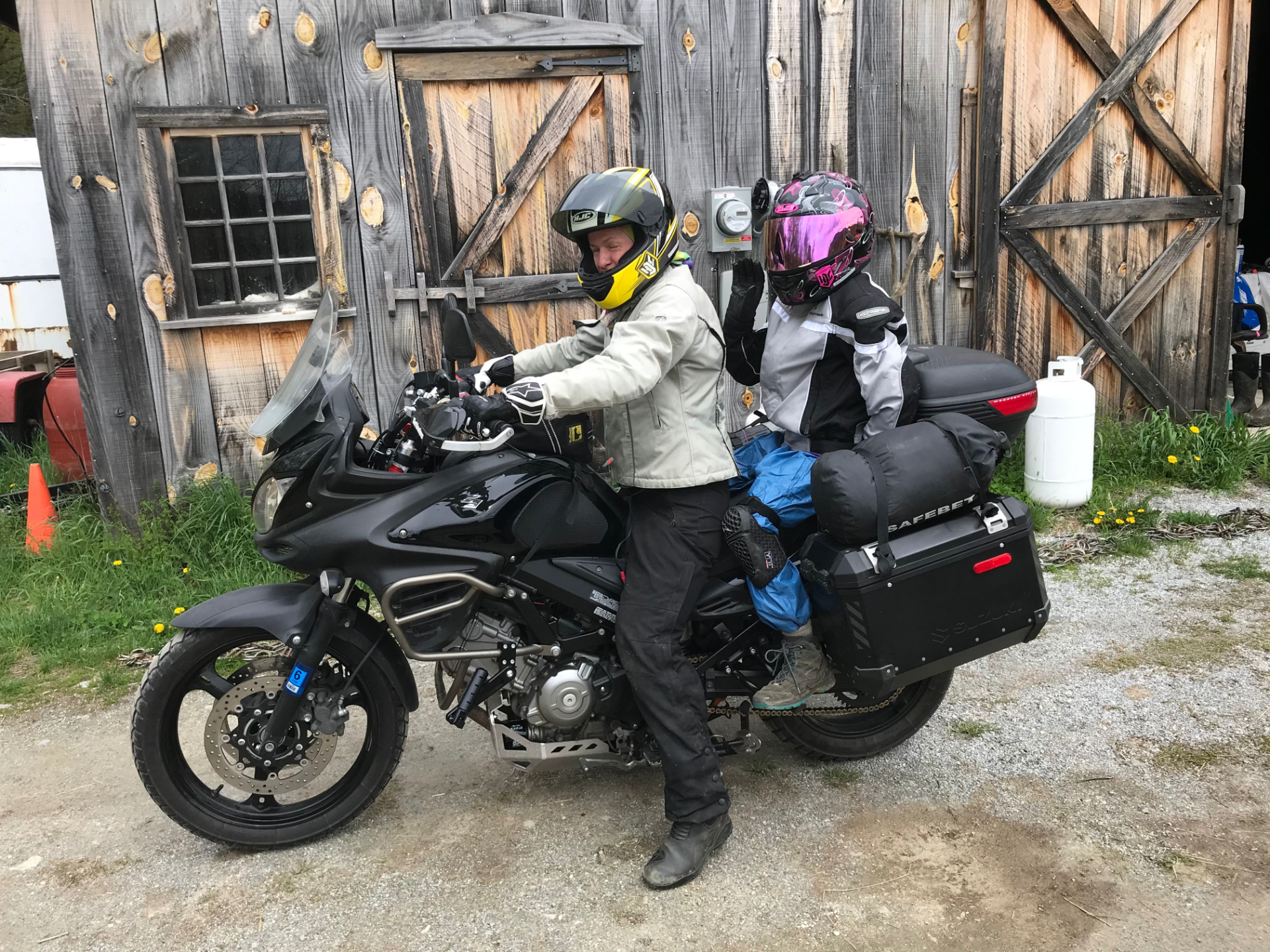
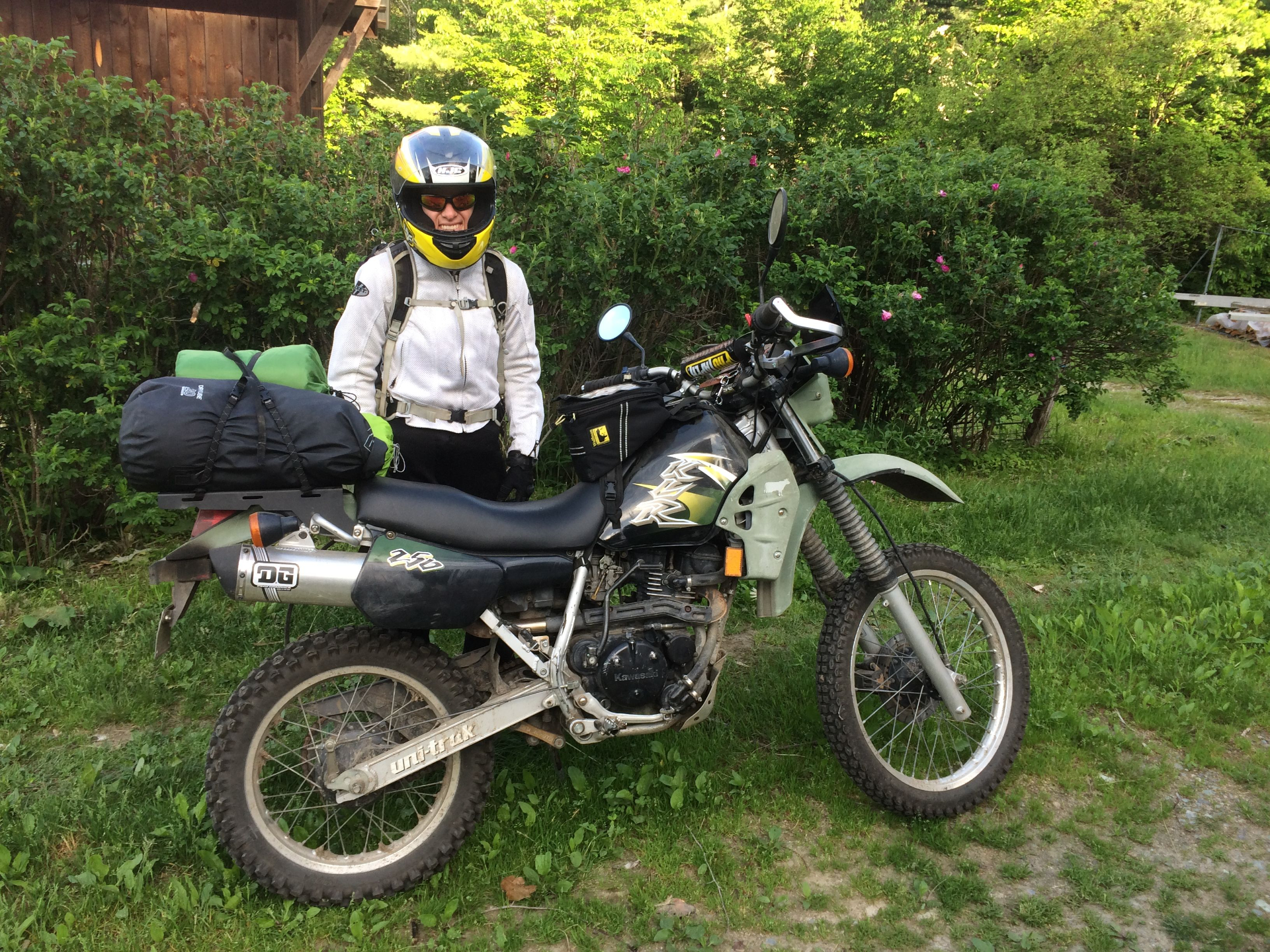
As our family grew to a cohort of five, along with our herd and flocks, we eventually purchased another parcel of land and an accompanying barn next to the town road, providing us with additional pasture, winter parking, extra housing and storage, reliable internet access, and ultimately a grid-tied photovoltaic system to charge our first electric car. With our three kids in various stages of “fledging,” that barn has also evolved into a seasonal retreat for the boys and a refuge for Erin’s growing fleet of motorcycles. After so many years of homesteading and homeschooling, she is eager to fly the coop whenever she can.
Up to this point, it’s all been an adventure that has shaped and challenged us, often healthily, but not always. If we knew what we know now, we’d certainly do some things differently. In the end, however, any regrets are best wrapped in shared wisdom, and all successes are gladly conveyed with humble gratitude.
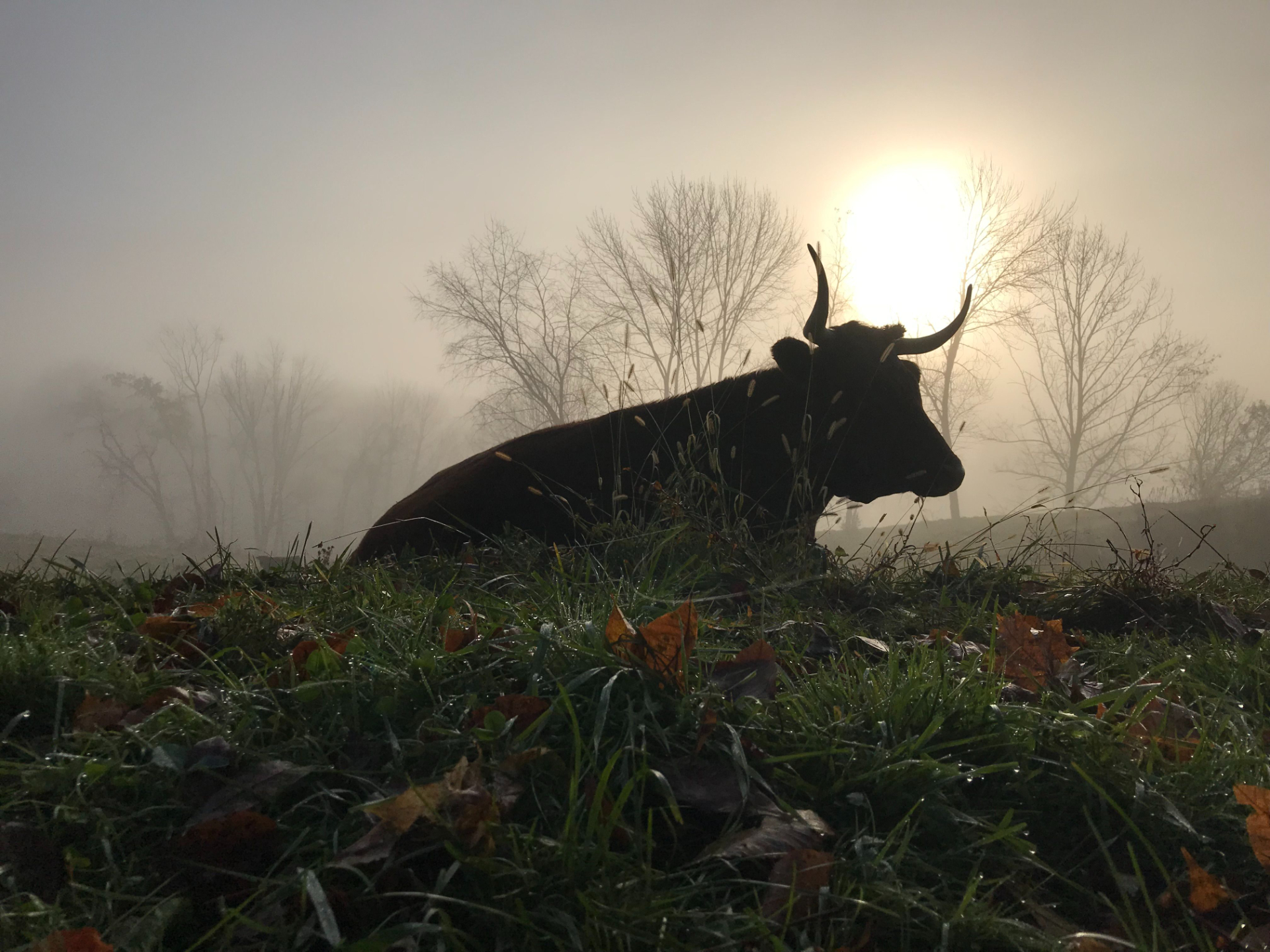
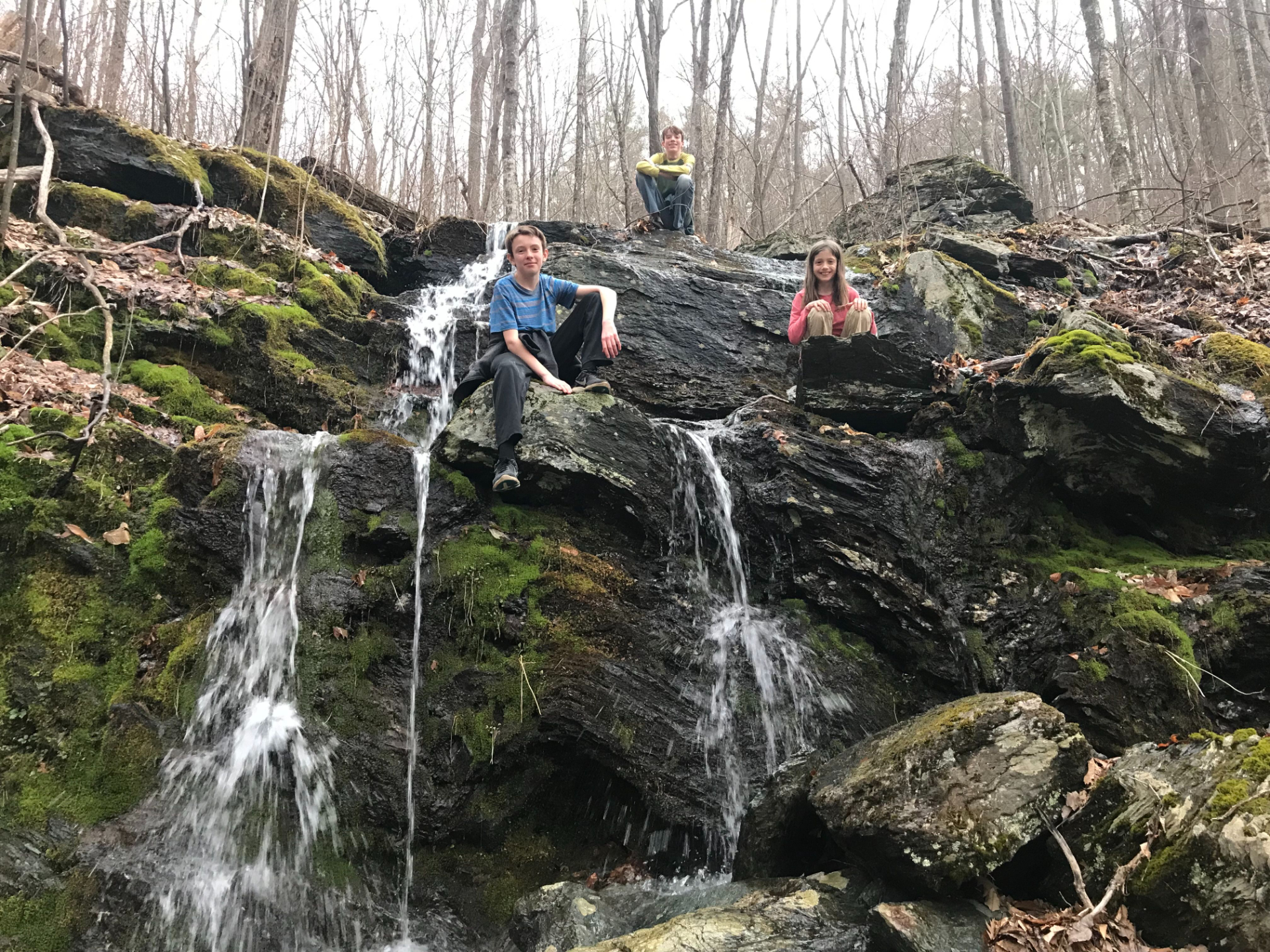
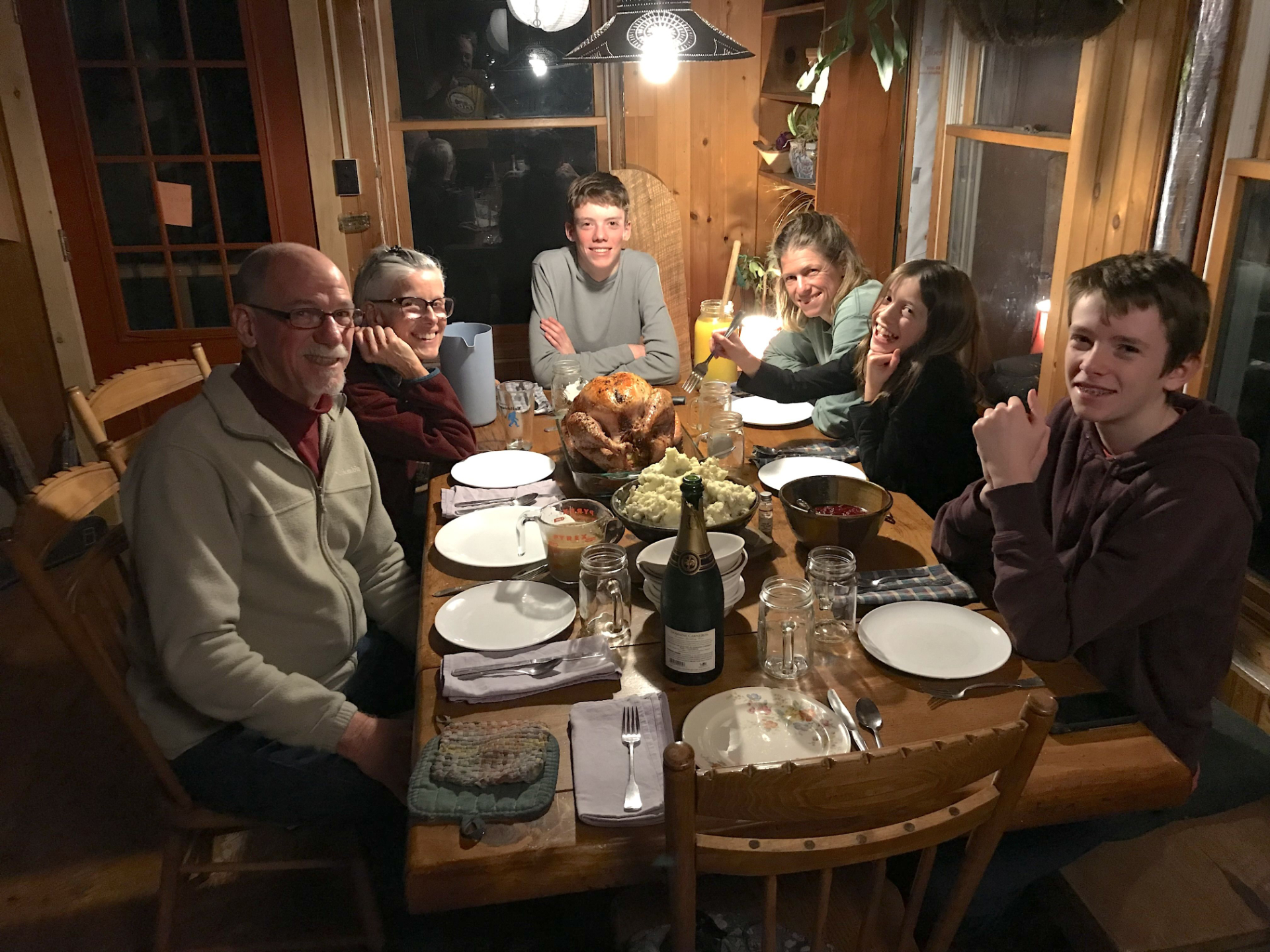
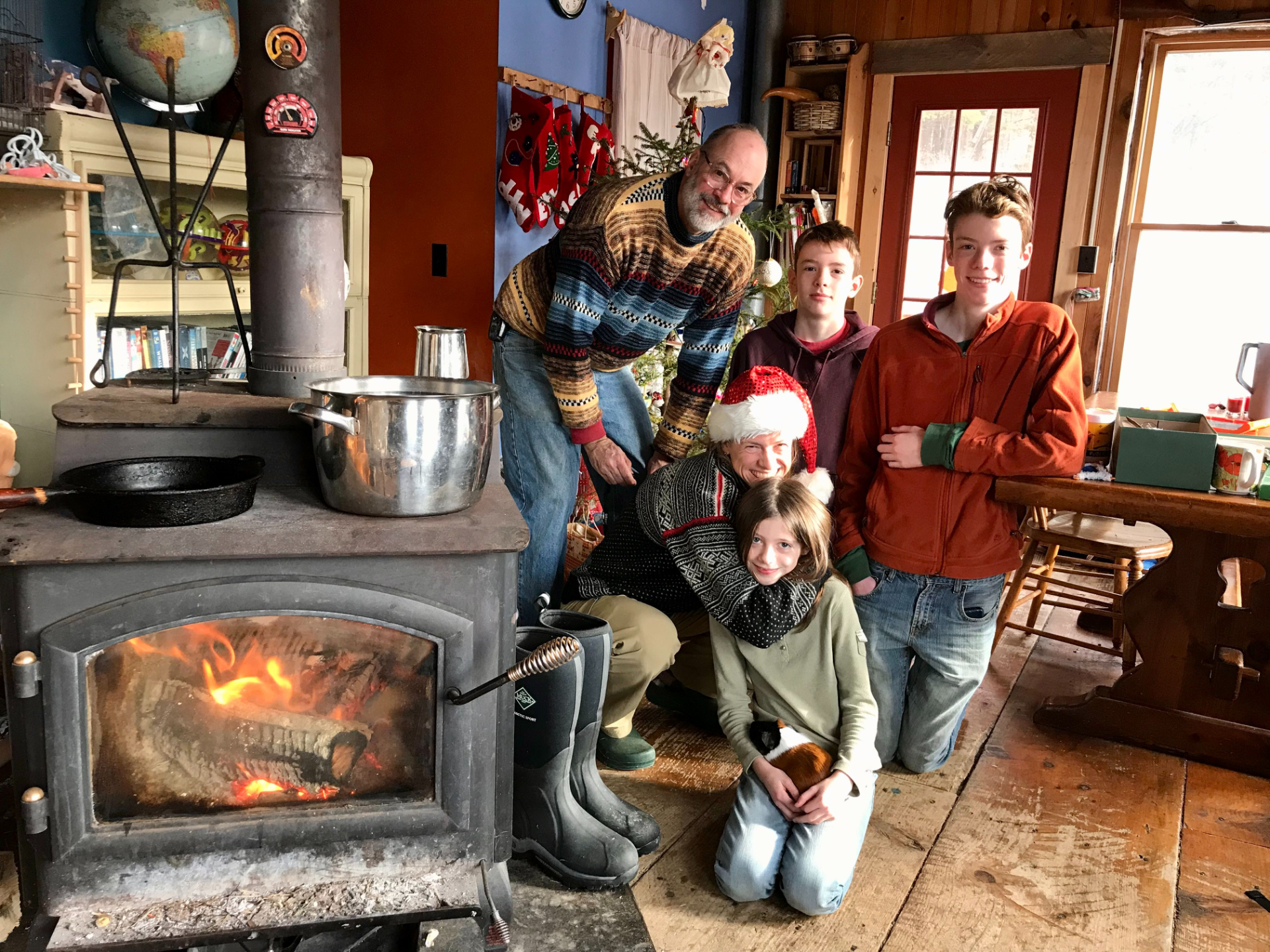
[The photos below offer a visual chronology of the evolution of life "Up Tunket" over the past 28 years. You can read the tale of our first decade homesteading in Vermont in Up Tunket Road: The Education of a Modern Homesteader.]